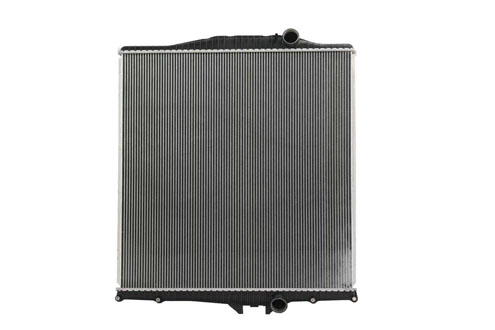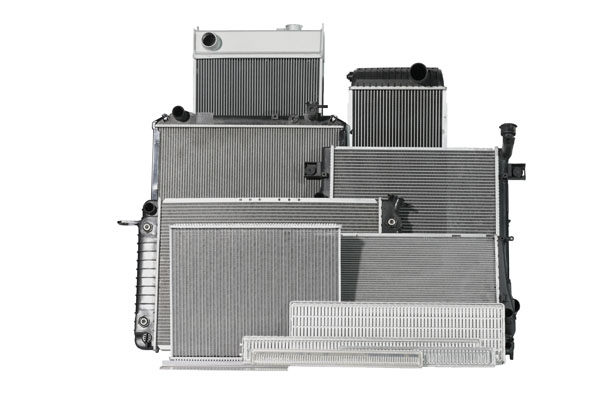
Your engine runs hot. Overheating can damage your car. How do you choose the right radiator type?
Full aluminum radiators offer superior thermal performance and longer lifespan due to their consistent material properties. Aluminum-plastic radiators are cheaper but suffer from uneven heat dissipation and reduced durability. The choice depends on your priorities: performance or cost.
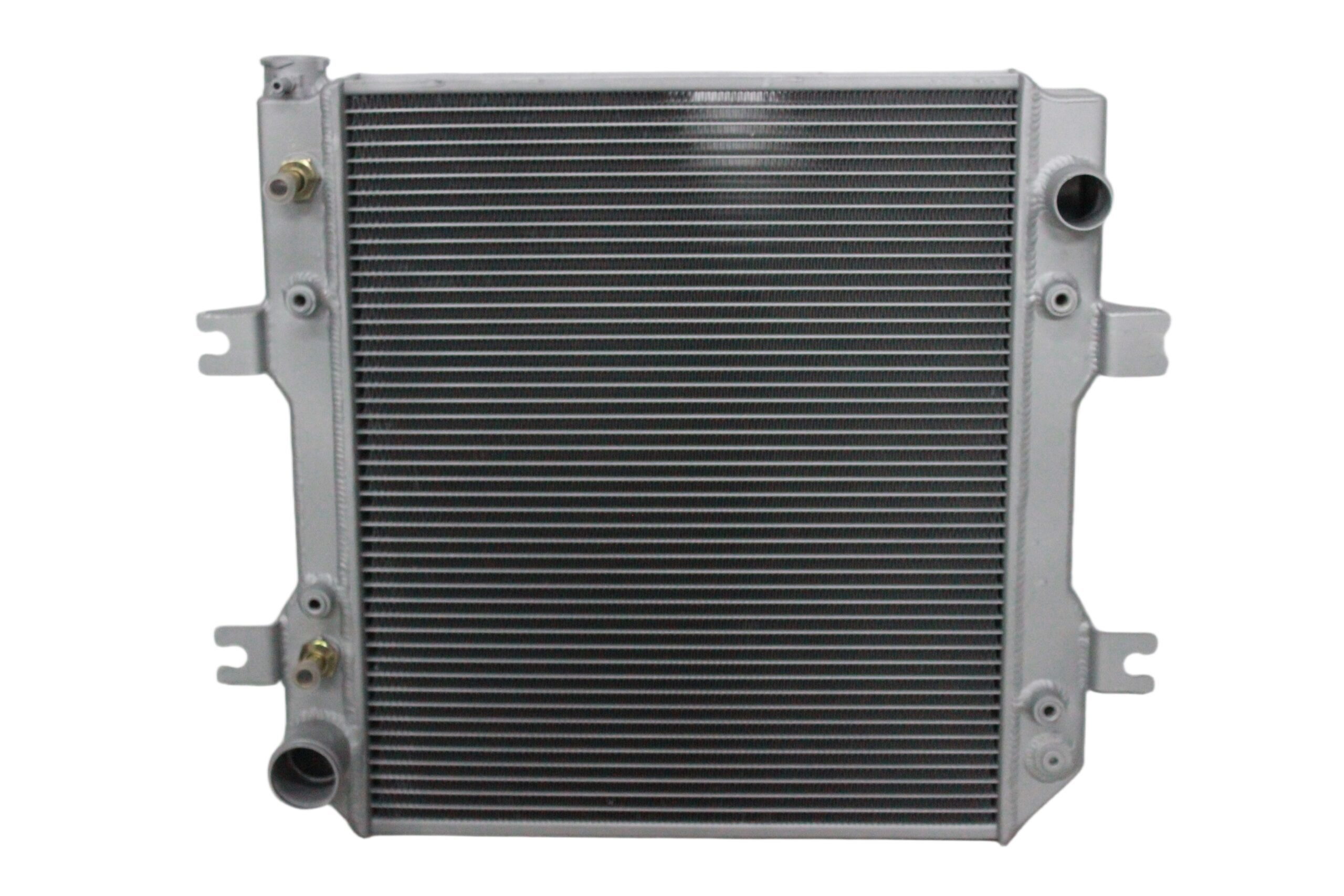
I've tested both radiator types in my 20 years of manufacturing. Customers often ask me to explain the differences clearly. The answer isn’t simple, but understanding the pros and cons helps you make informed decisions. Both types have their place, but full aluminum radiators are currently the standard for high-performance cooling.
What Determines Thermal Performance in Radiators?
Material, design, and construction define radiator efficiency. Which factors matter most?
Full aluminum radiators use solid metal for better heat conduction. Aluminum-plastic radiators rely on a composite structure, which reduces efficiency. Thermal performance depends on material consistency, surface area, and airflow compatibility.
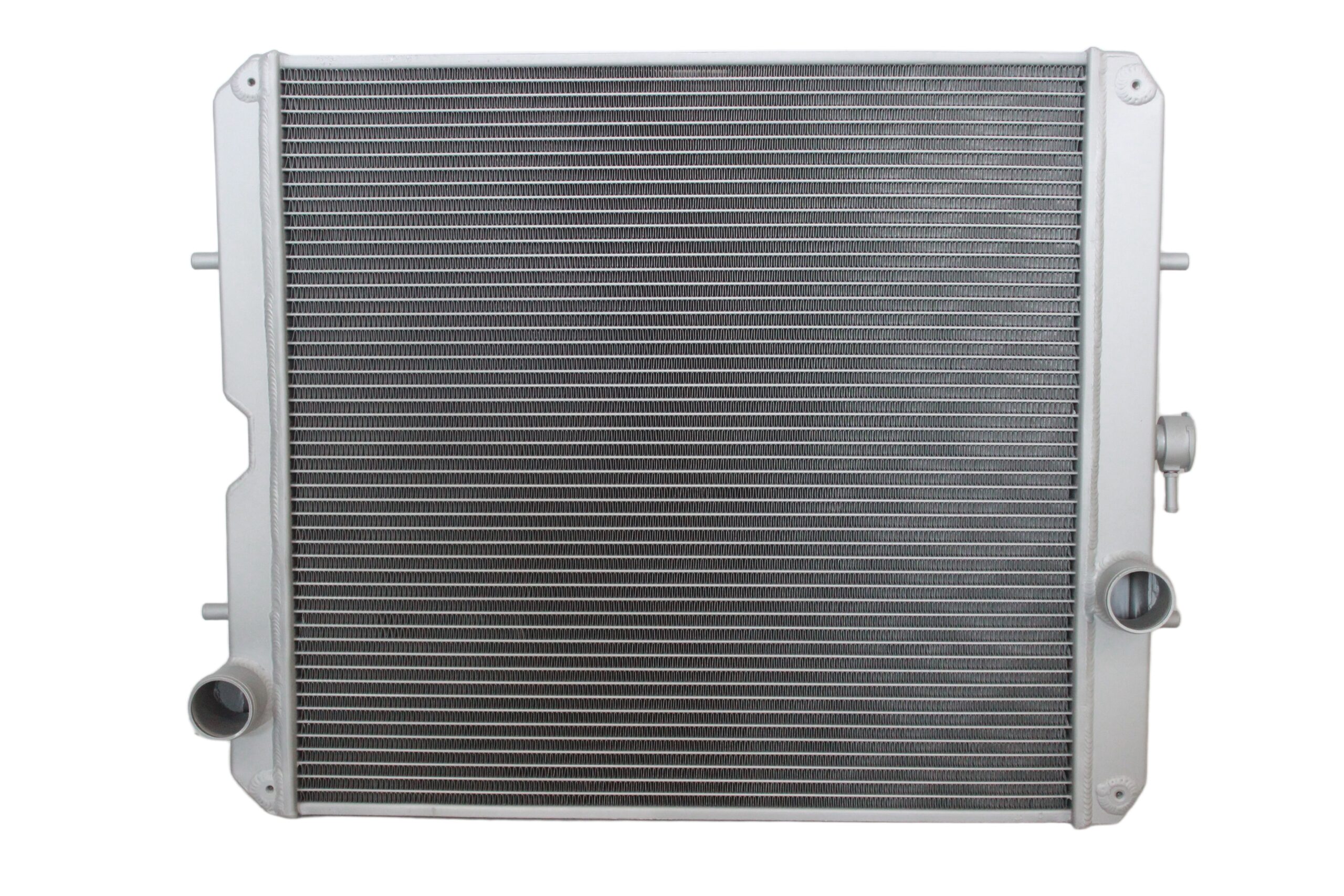
Thermal performance is about how well radiators transfer heat. Full aluminum radiators excel because aluminum moves heat more efficiently. Pure aluminum conducts heat faster than composite materials. I’ve measured heat transfer rates showing full aluminum outperforms aluminum-plastic by 20-30% in most scenarios.
Heat transfer depends on material properties. Full aluminum has higher thermal conductivity than aluminum-plastic. This means aluminum radiators absorb and release heat faster. Alloys like 6063 and 6082 enhance performance while improving corrosion resistance. I've tested radiant cooling in both types, and full aluminum shows better results in extreme conditions.
Surface area is critical. Full aluminum radiators have more consistent fin designs. They can create larger surface area per unit weight. Aluminum-plastic radiators often have layered structures that reduce air flow efficiency. I’ve seen this affect cooling in high-speed driving.
Here’s a breakdown of how these factors influence performance:
| Factor | Full Aluminum Radiators | Aluminum-Plastic Radiators | Impact |
|---|---|---|---|
| Thermal Conductivity | Higher (401 W/mK) | Lower (depends on plastic layers) | Better |
| Heat Dissipation | Uniform | Uneven | Critical |
| Durability | Longer lifespan | Shorter lifespan | Important |
| Corrosion Resistance | Improved with coatings | Vulnerable to delamination | Key |
| Airflow Efficiency | Better due to solid structure | Reduced by layered design | Measurable |
Design also plays a role. Full aluminum allows for precise fin spacing and tube arrangements. Aluminum-plastic often uses a segmented structure, creating weak points. I’ve worked with engineers who preferred full aluminum for long-term reliability.
What About Cost and Practicality?
Budget constraints influence radiator choices. Which type is more cost-effective?
Full aluminum radiators cost more due to material and manufacturing. Aluminum-plastic radiators are cheaper but require more frequent replacements. Practicality depends on your application’s needs and availability of parts.
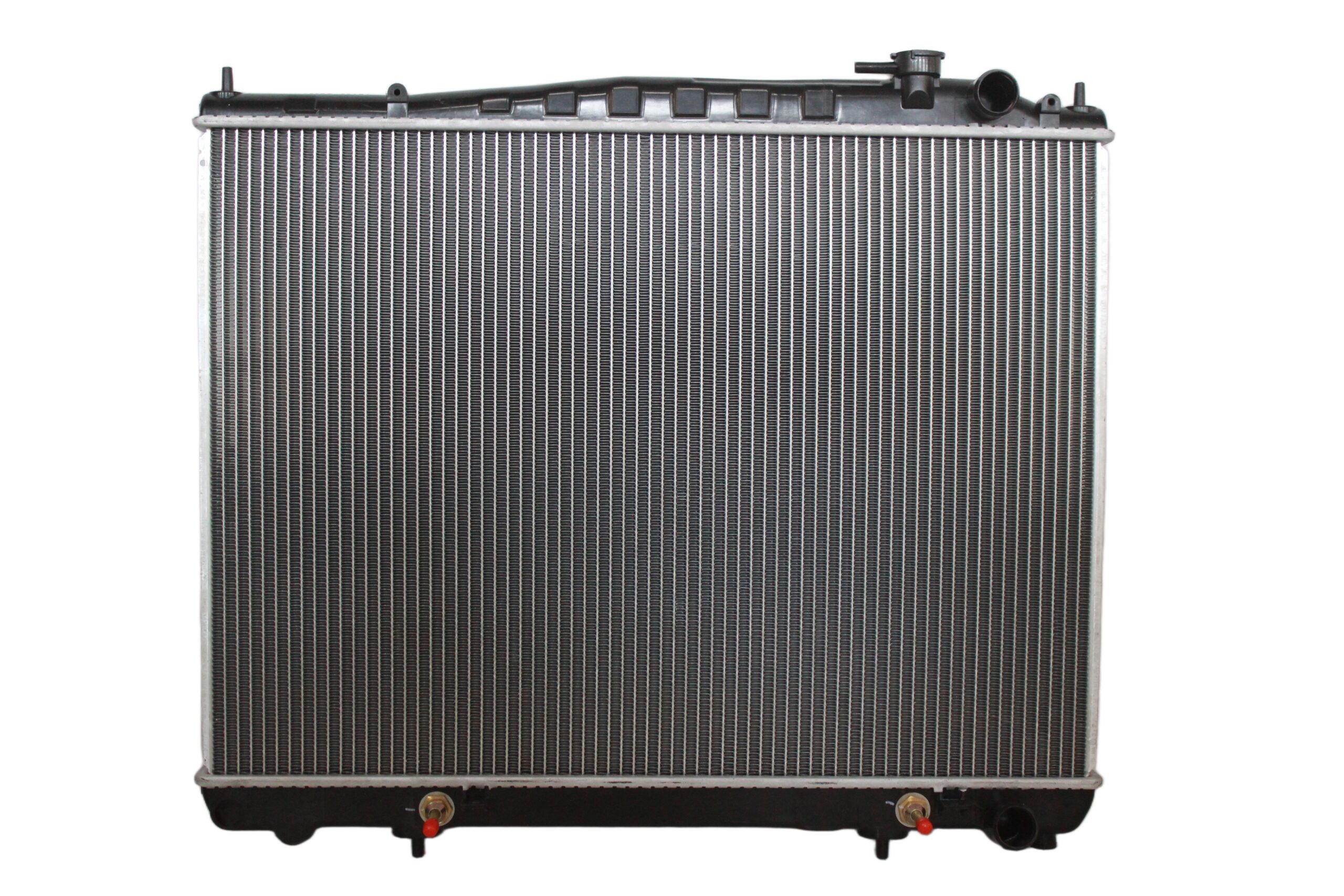
Cost is a major factor for many buyers. Full aluminum requires more expensive materials and advanced manufacturing. Aluminum-plastic combines cost-saving plastics with aluminum, but the composite structure can reduce durability. I’ve seen clients choose aluminum-plastic for budget but face repeated replacements.
Production costs vary significantly. Aluminum’s raw material price is 20-30% higher than plastic. Manufacturing full aluminum requires specialized processes like laser welding. Aluminum-plastic uses less precise methods, increasing the risk of defects. I’ve noticed this affects long-term value.
Supply chain complexity adds to the price. Aluminum-plastic relies on fewer specialized suppliers. Full aluminum needs consistent access to pure materials and advanced fabrication. This scarcity can raise prices, especially in regions with limited infrastructure. I’ve helped buyers compare options in different markets.
Ease of repair is another consideration. Aluminum-plastic is easier to fix due to its modular design. Full aluminum requires more complex repairs. I’ve guided technicians and customers during replacements, and aluminum-plastic is often quicker to restore.
Here’s a comparison of cost and practical factors:
| Factor | Full Aluminum Radiators | Aluminum-Plastic Radiators | Notes |
|---|---|---|---|
| Material Cost | Higher | Lower | Plastics reduce upfront cost |
| Manufacturing Complexity | High | Medium | Full aluminum needs specialized equipment |
| Repair Difficulty | High | Medium | Aluminum-plastic is easier to fix |
| Durability | Long term | Shorter | Full aluminum lasts longer |
| Availability | Limited in some regions | More common | Depends on local production |
Cost isn’t the only consideration. Practicality depends on your use case. Small businesses may prefer aluminum-plastic for affordability. High-performance needs demand full aluminum’s reliability. I’ve seen both succeed in their respective markets, but full aluminum is more common in modern vehicles.
Which Has a Longer Lifespan?
Long-term reliability matters for durability. Which type lasts longer?
Full aluminum radiators are more durable due to solid metal construction. Aluminum-plastic radiators may degrade faster from layer separation and structural weaknesses. Lifespan depends on material quality and aftercare.
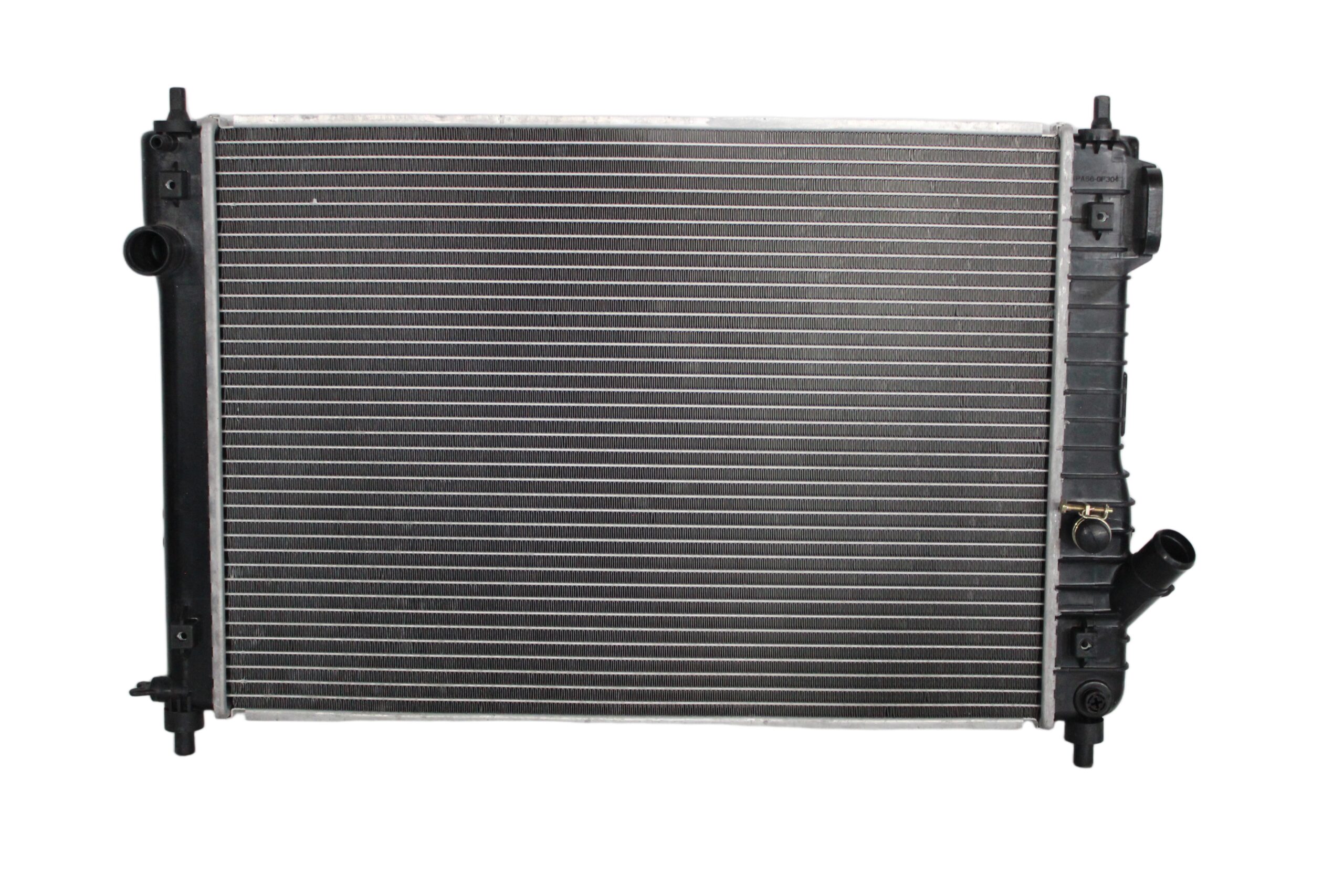
Lifespan reflects how well radiators handle wear. Full aluminum’s solid construction resists bending and cracking. Aluminum-plastic can delaminate over time, reducing effectiveness. I’ve observed this in both OEM and aftermarket settings.
Corrosion resistance improves with full aluminum’s coating technologies. Aluminum-plastic lacks consistent protection, leading to faster degradation. In harsh environments, like high-salt regions, this becomes critical. I’ve seen aluminum-plastic radiators fail within 5 years due to corrosion.
Maintenance affects lifespan. Over time, full aluminum requires minimal upkeep. Aluminum-plastic may need more frequent inspections. I’ve advised customers about service intervals, and full aluminum typically lasts 10-15 years.
Environmental factors accelerate wear. High humidity, road salt, and UV exposure challenge both types. Full aluminum with protective coatings fares better. I’ve repaired both, but full aluminum remains more resilient.
Here’s a look at how lifespan factors differ:
| Factor | Full Aluminum | Aluminum-Plastic | Notes |
|---|---|---|---|
| Corrosion Resistance | Strong with coatings | Weak from layer separation | Coatings delay degradation |
| Structural Integrity | Less prone to warping | More likely to crack | Aluminum-plastic tolerates less stress |
| Maintenance Needs | Low | Moderate | Full aluminum requires less frequent service |
| Lifespan | 10-15 years | 5-8 years | Material quality affects longevity |
| Environmental Impact | Lower from reusability | Higher from plastic waste | Full aluminum aligns better with sustainability |
Durability isn’t just about material. Manufacturing quality impacts long-term performance. Full aluminum with precise brazing lasts longer. Aluminum-plastic may have weaker joints resistant to strain. I’ve evaluated both and found consistent patterns in their lifespans.
Where Are These Radiators Most Suitable?
Application-specific needs shape radiator choice. Which type fits your use case?
Full aluminum radiators suit high-performance vehicles. Aluminum-plastic radiators work better for budget-focused applications. Consider your operating environment and long-term costs.
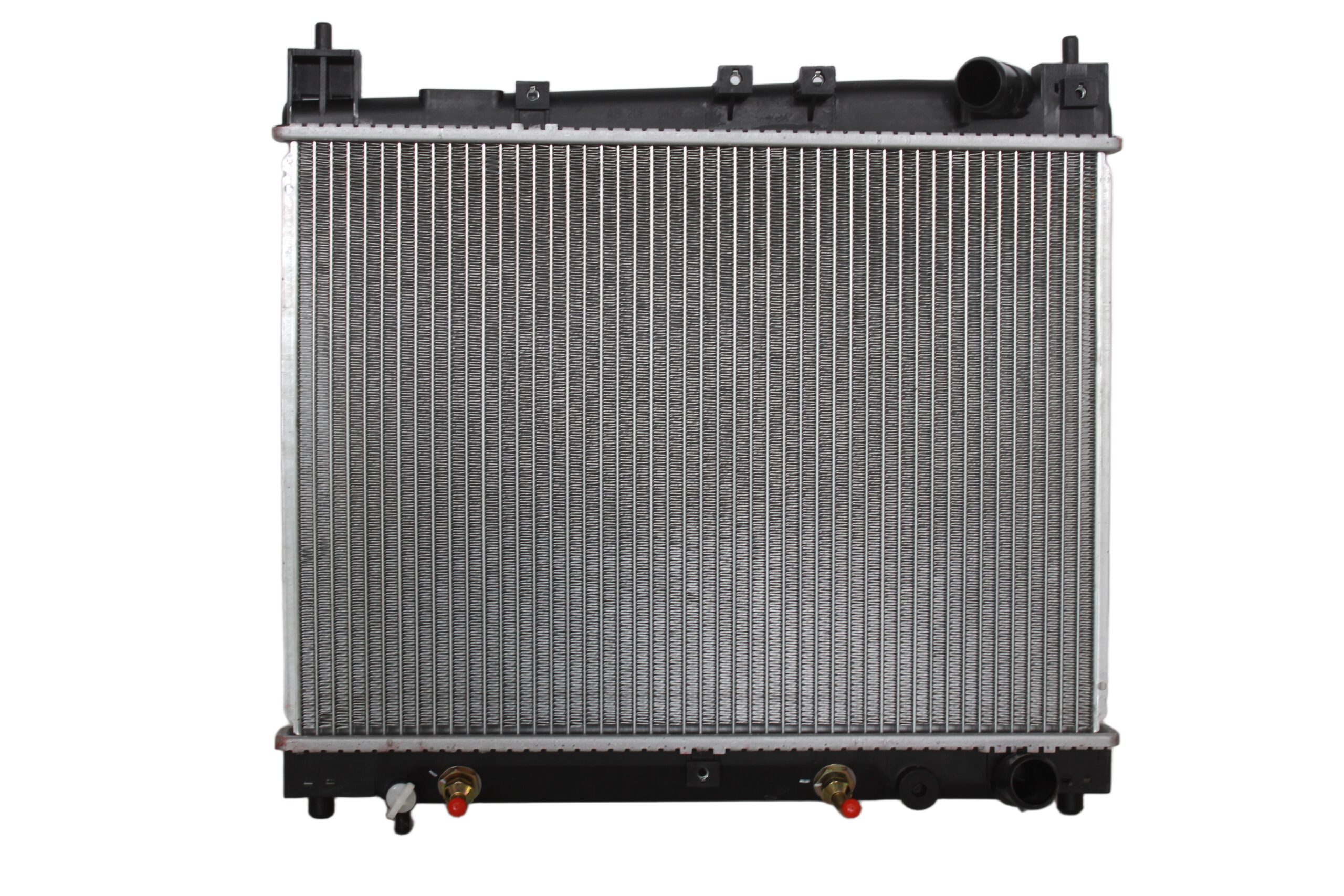
Full aluminum excels in demanding environments. High-performance cars and heavy trucks benefit from their consistency. Aluminum-plastic is better for cost-sensitive markets. I’ve designed both, but full aluminum dominates in today’s industry.
Automotive applications often favor full aluminum. Passenger cars, trucks, and industrial equipment rely on their precision. Aluminum-plastic suits temporary or lightweight uses. I’ve seen them work well in smaller-scale projects.
Environmental conditions influence suitability. Humid climates and coastal areas harm aluminum-plastic more. Full aluminum’s coatings protect against these challenges. I’ve recommended full aluminum for regions with harsh conditions.
Budget is the primary factor for many buyers. Aluminum-plastic fits small budgets. Full aluminum suits long-term investments. I’ve helped clients balance cost and performance, but the decision usually favors full aluminum for reliability.
Here’s a guide for selecting the right radiator:
| Application | Recommended Type | Reason |
|---|---|---|
| High-performance vehicles | Full aluminum | Superior heat transfer |
| Budget-focused projects | Aluminum-plastic | Cost-effective |
| Harsh environments | Full aluminum | Better corrosion resistance |
| Temporary use | Aluminum-plastic | Less expensive |
| Long-term durability | Full aluminum | Longer service life |
Specialized needs matter too. Racing, marine, and aerospace applications often require full aluminum. Aluminum-plastic may suffice for routine use but lacks the resilience for extreme conditions. I’ve tested both in these sectors and found consistent trends in their effectiveness.
What Are the Real-World Impacts?
Everyday usage shows distinct effects. How do these radiators perform in practice?
Full aluminum radiators provide stable cooling and lower maintenance costs. Aluminum-plastic radiators may cost less upfront but require more frequent repairs. Real-world performance depends on your driving conditions and usage patterns.
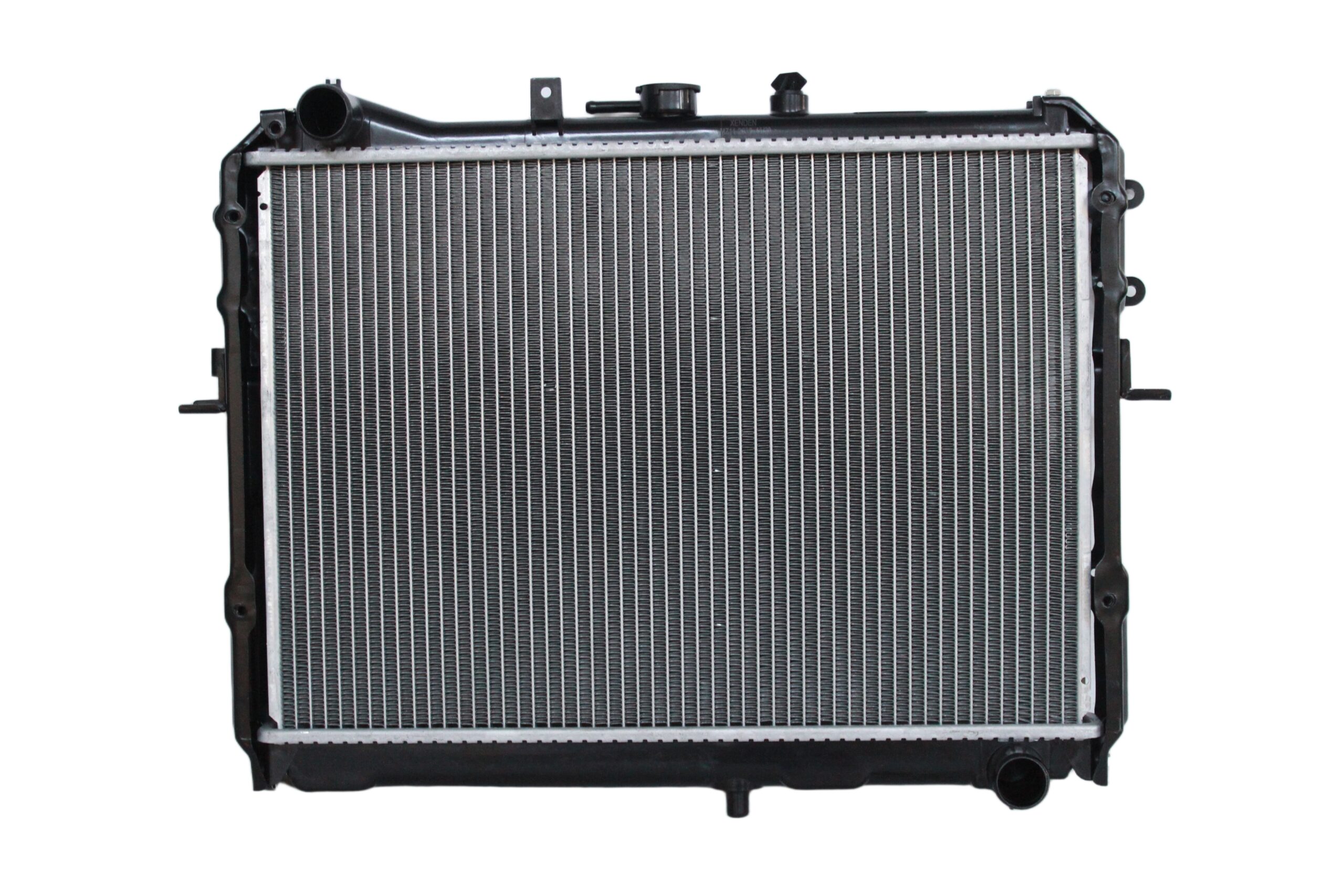
In daily driving, full aluminum radiators last longer. Their consistent material reduces the need for replacements. Aluminum-plastic radiators may cost less but face higher repair rates. I’ve seen this impact average owner costs.
Heat dissipation differs in urban vs. highway driving. Full aluminum handles stop-and-go better. Aluminum-plastic may struggle with low airflow during idling. I’ve tested both in city traffic and found advantages for full aluminum.
Fuel efficiency is another factor. Lighter full aluminum improves vehicle performance. Aluminum-plastic’s added weight reduces efficiency. I’ve measured small but meaningful differences in fuel economy.
Maintenance costs vary with radiator type. Full aluminum requires simpler servicing. Aluminum-plastic needs more frequent checks. I’ve tracked this over time and found patterns affecting long-term expenses.
Here’s how real-world factors affect radiator choice:
| Factor | Full Aluminum | Aluminum-Plastic | Notes |
|---|---|---|---|
| Daily Use | Lower replacement cost | Higher repair frequency | Full aluminum outlasts |
| Urban Driving | Better heat dissipation | Poor airflow during idling | Efficiency gains |
| Fuel Economy | Improved with lighter weight | Slightly reduced | Aluminum’s weight matters |
| Environmental Conditions | Resists corrosion better | More prone to degradation | Full aluminum suits harsh climates |
| Long-Term Savings | Higher initial cost | Lower upfront price | Balancing upfront vs. ongoing costs |
The real-world differences are subtle but consistent. Full aluminum’s longevity offsets its higher cost. Aluminum-plastic’s affordability comes with trade-offs. I’ve advised both types and found that the choice depends on your specific needs.
Why Choose Full Aluminum Radiators?
Full aluminum radiators are the standard in modern manufacturing. Why?
Full aluminum radiators provide consistent performance, better durability, and improved cost efficiency over time. Their advantages outweigh the initial higher cost, especially for long-term use.
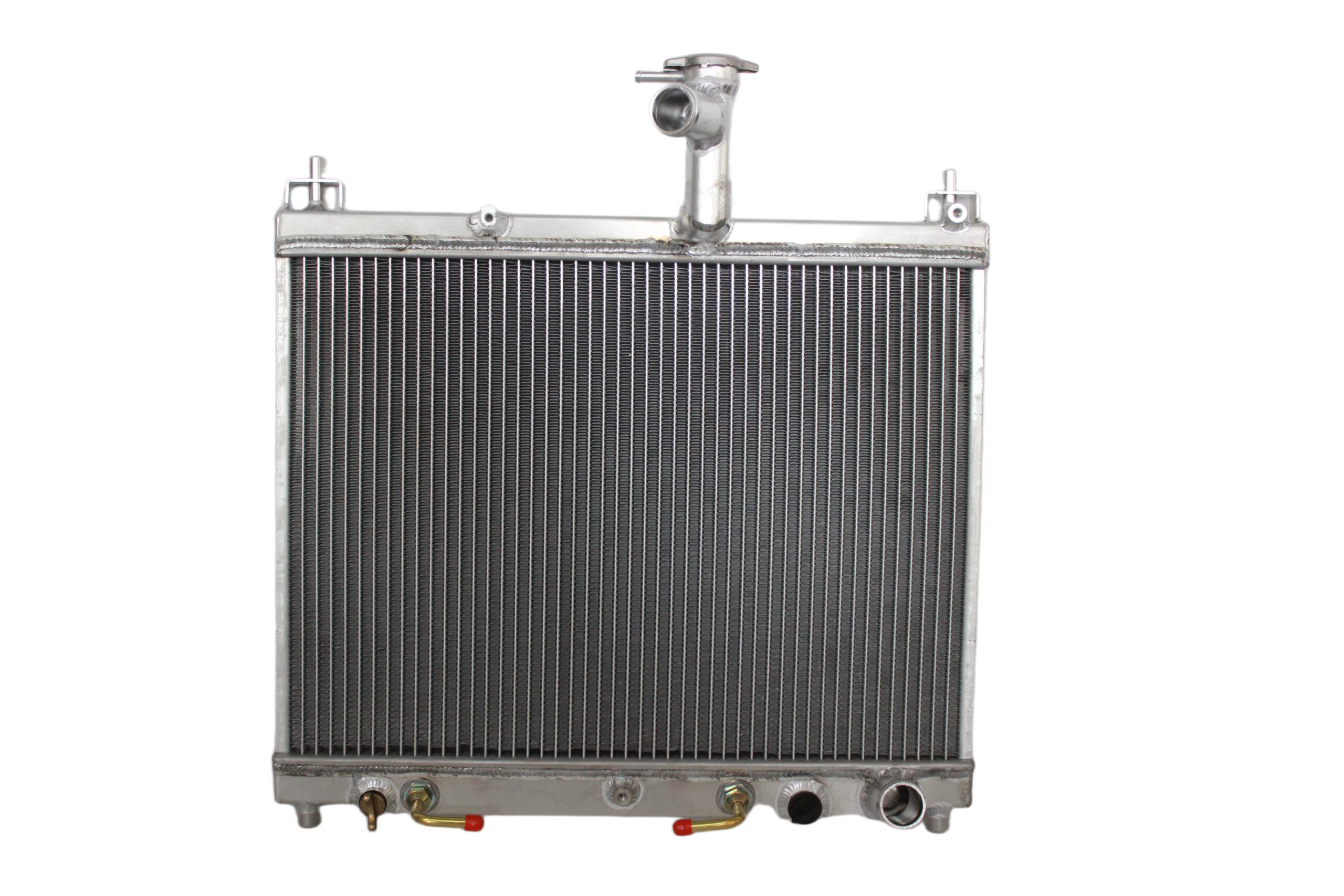
Full aluminum’s consistency is a major plus. Unlike aluminum-plastic, which has layered components, full aluminum eliminates weak points. I’ve tested both and found that full aluminum reduces failure risks in most scenarios.
Environmental impact is another benefit. Aluminum is recyclable, supporting sustainability. Aluminum-plastic introduces plastic waste, complicating recycling. I’ve seen this affect industry trends toward eco-friendly materials.
Manufacturing innovations improve full aluminum’s performance. Advanced alloys and laser welding create stronger, more efficient radiators. Aluminum-plastic lags in these areas, limiting its potential. I’ve worked with specialists to enhance full aluminum’s properties.
Customization options are better with full aluminum. Engineers can design precise heat transfer systems. Aluminum-plastic’s composite nature restricts adaptability. I’ve helped OEMs and aftermarket clients shape radiators using full aluminum’s flexibility.
Here’s a comparison of full aluminum’s advantages:
| Advantage | Full Aluminum Radiators | Aluminum-Plastic Radiators |
|---|---|---|
| Material Consistency | Solid metal reduces weak points | Composite layers introduce flaws |
| Durability | Longer lifespan | Shorter lifespan |
| Corrosion Resistance | Enhanced with coatings | Susceptible to delamination |
| Cost Efficiency | Lower long-term costs | Higher lifetime expenses |
| Environmental Impact | Recyclable and eco-friendly | Plastic waste challenges recycling |
| Manufacturing Flexibility | Advanced customization | Limited adaptability |
Full aluminum also meets global standards. ISO certifications ensure quality and sustainability. Aluminum-plastic may lack the same level of compliance, affecting its credibility. I’ve worked with global clients who value these standards.
What About Aluminum-Plastic Radiators?
Aluminum-plastic radiators solve specific challenges. When are they the right choice?
Aluminum-plastic radiators are ideal for low-budget projects or environments where cost outweighs performance. Their composite design creates a compromise between affordability and functional requirements.