Your engine runs hot. Temperature gauge climbs. What prevents your engine from destroying itself?
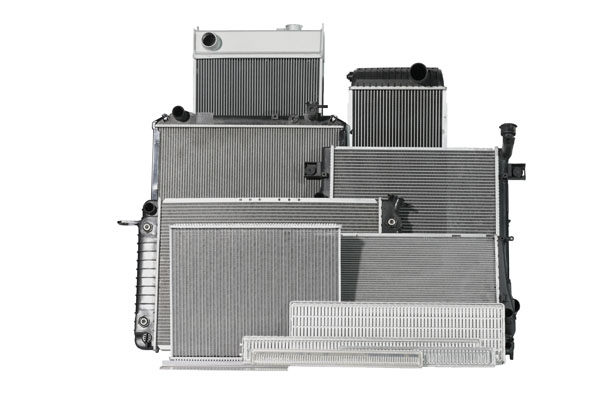
Car radiators remove excess heat from engines by circulating coolant through the engine block and radiator core. The radiator transfers engine heat to outside air through aluminum fins and tubes. This cooling process prevents engine overheating and maintains optimal operating temperatures for performance and longevity.
I've manufactured radiators for over 20 years. Customers often ask me to explain exactly what radiators do. The answer seems simple but involves complex heat transfer processes. Understanding radiator function helps you maintain your vehicle properly and recognize problems early.
How Does the Cooling Process Actually Work?
Heat builds up fast in engines. Combustion creates extreme temperatures. How does your radiator remove this heat?
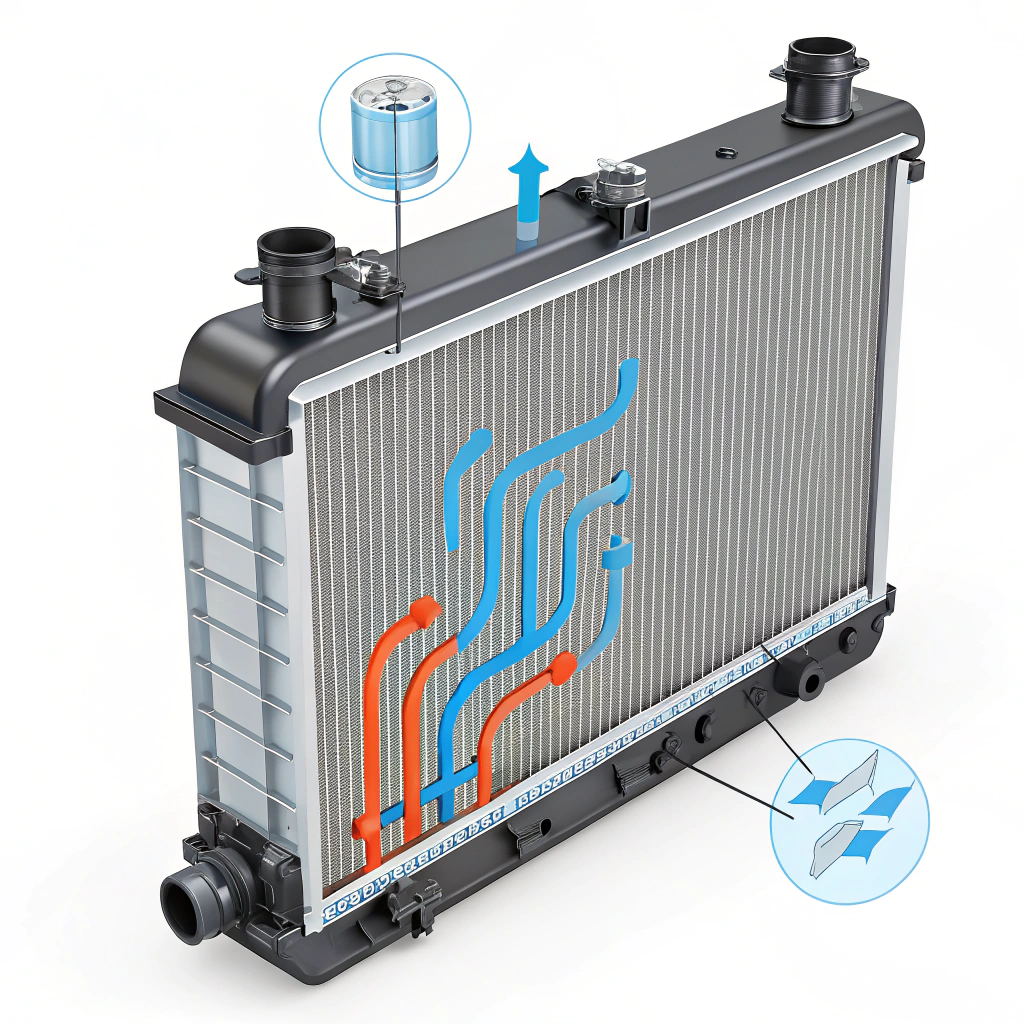
The cooling process uses coolant circulation driven by a water pump. Hot coolant flows from the engine to the radiator core. Air passing through the radiator removes heat from the coolant. Cooled coolant returns to the engine to absorb more heat and repeat the cycle.
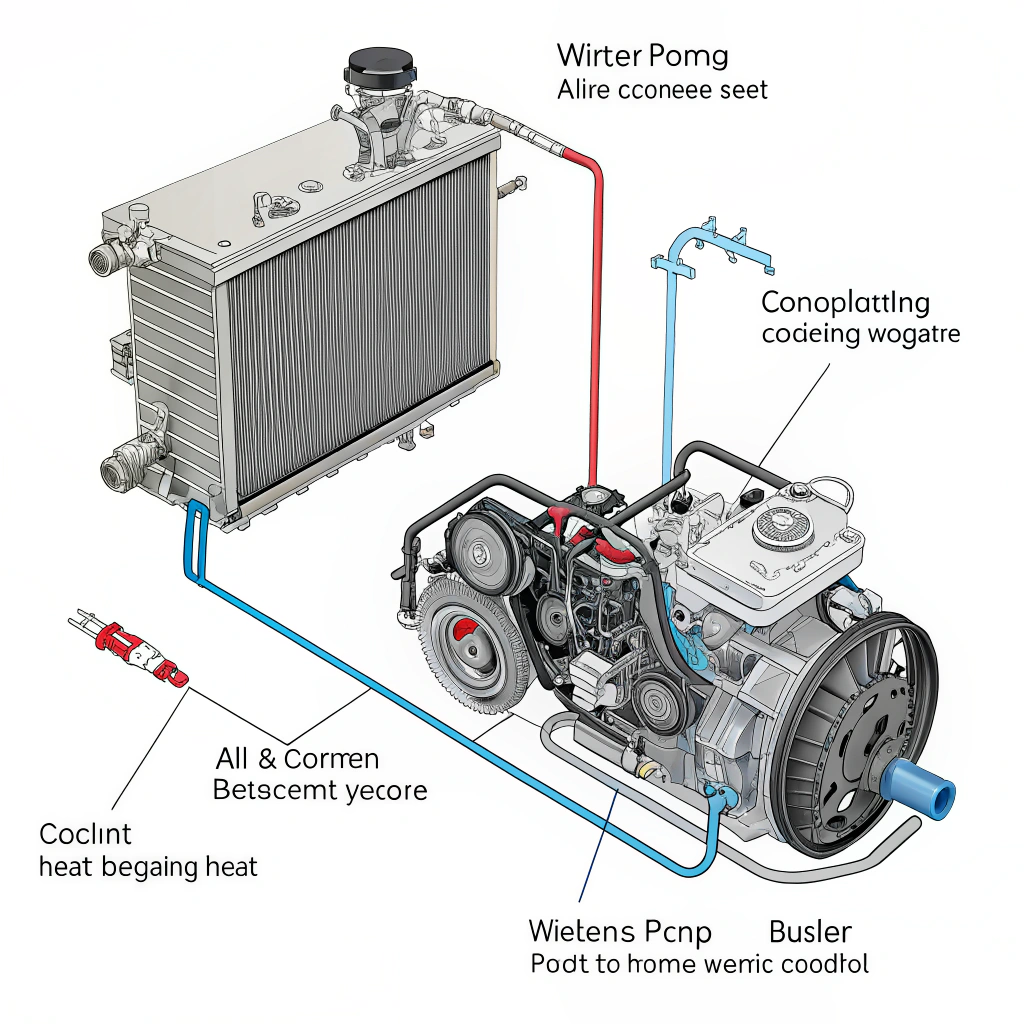
The cooling cycle starts when your engine runs. Combustion temperatures can exceed 4000°F in the cylinders. This extreme heat would destroy engine components within minutes without cooling. The cooling system maintains engine temperatures around 195-220°F for optimal performance.
Coolant absorbs heat as it flows through passages in the engine block and cylinder heads. These passages are called water jackets. The water pump forces coolant through these jackets continuously. Hot coolant picks up heat from cylinder walls, valve seats, and combustion chamber surfaces.
The thermostat controls coolant flow to the radiator. When the engine is cold, the thermostat stays closed. This allows the engine to warm up quickly. Once the coolant reaches operating temperature, the thermostat opens. Hot coolant then flows to the radiator for cooling.
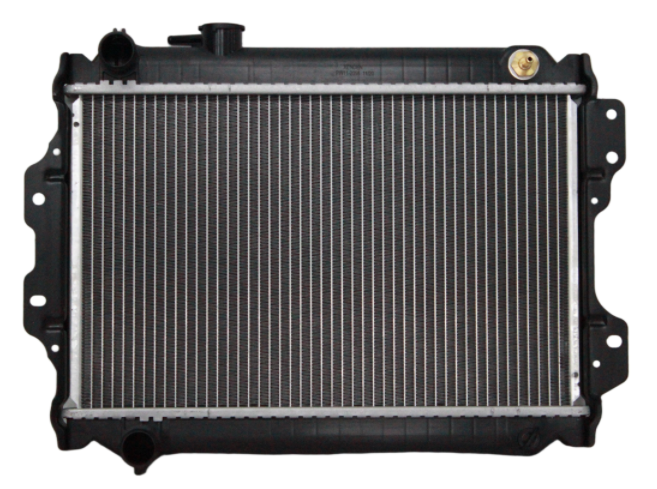
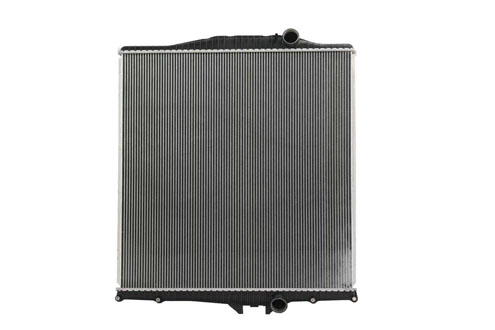
Heat transfer occurs in the radiator core through aluminum tubes and fins. Hot coolant flows through thin tubes. Air passes over fins attached to these tubes. The large surface area of the fins allows efficient heat transfer from coolant to air. I've designed radiator cores with over 1000 square feet of heat transfer surface in a compact package.
Here's how the cooling process works step by step:
| Step | Process | Temperature Change | Key Components |
|---|---|---|---|
| 1 | Coolant absorbs engine heat | 80°F to 210°F | Engine block, water jackets |
| 2 | Hot coolant flows to radiator | Maintains 210°F | Water pump, hoses |
| 3 | Heat transfers to air | 210°F to 180°F | Radiator core, fins |
| 4 | Cooled coolant returns | 180°F | Lower radiator hose |
Airflow through the radiator is critical for heat removal. At highway speeds, ram air provides sufficient airflow. During idle or slow speeds, the cooling fan forces air through the radiator. I've tested radiators where adequate airflow can remove over 100,000 BTUs of heat per hour.
The cooling system operates as a closed loop under pressure. The radiator cap maintains system pressure around 15-16 PSI. This pressure raises the coolant boiling point to about 265°F. Higher boiling point prevents coolant from turning to steam and losing cooling effectiveness.
What Components Work Together in the Cooling System?
Radiators don't work alone. Multiple components create the complete cooling system. Which parts are essential?
The cooling system includes the radiator, water pump, thermostat, cooling fans, hoses, and overflow tank. Each component has a specific function. The water pump circulates coolant. The thermostat regulates flow. Fans provide airflow. All components must work together for proper cooling.
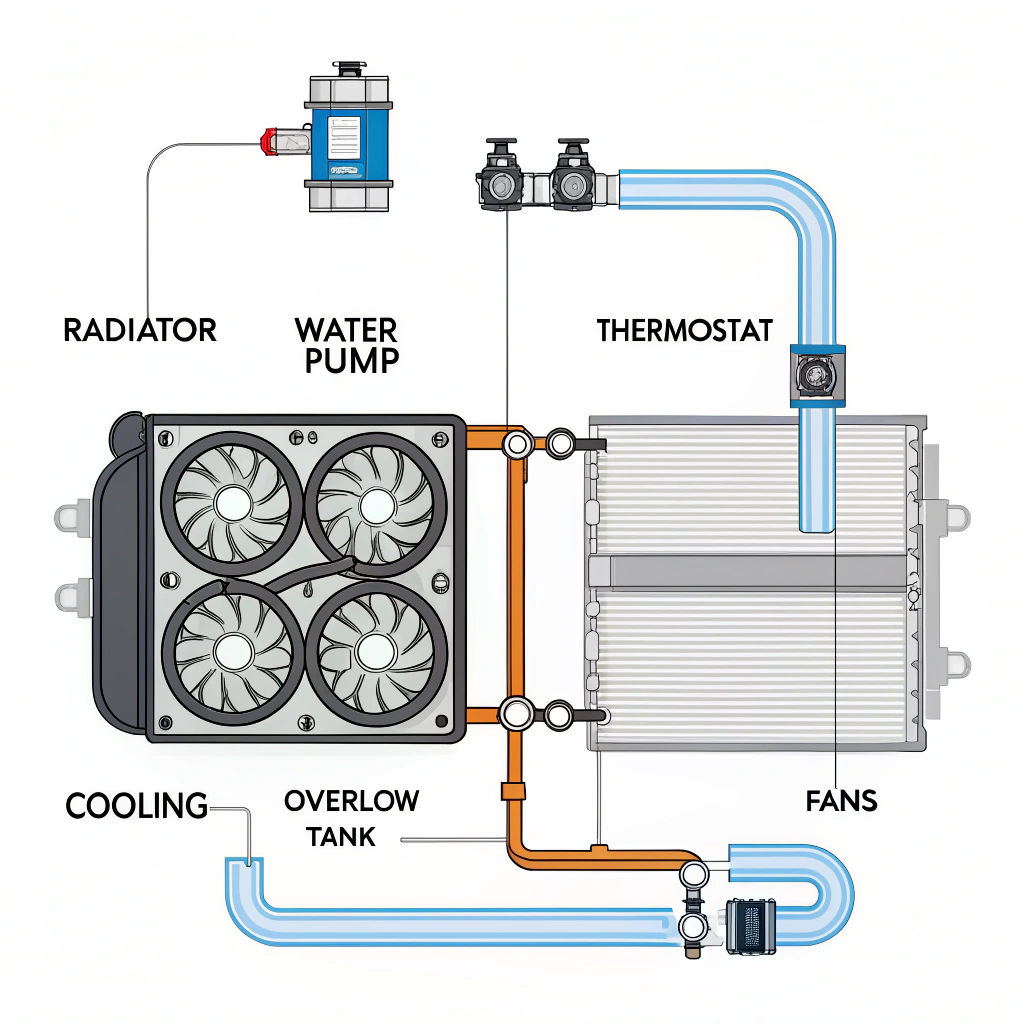
The water pump is the heart of the cooling system. It creates the pressure and flow needed to circulate coolant. Most water pumps are driven by the engine's serpentine belt. The pump impeller forces coolant through the system at rates of 50-100 gallons per minute. I've seen engines overheat immediately when water pumps fail.
The thermostat acts as a temperature-controlled valve. It opens and closes based on coolant temperature. Modern thermostats are precisely calibrated to open at specific temperatures, usually 180-195°F. The thermostat ensures rapid engine warm-up and maintains consistent operating temperatures.
Cooling fans provide airflow when the vehicle isn't moving fast enough for natural airflow. Electric fans are controlled by temperature sensors or the engine computer. Mechanical fans are driven by the engine through a clutch mechanism. Fan airflow can move thousands of cubic feet of air per minute through the radiator.
The overflow tank serves multiple purposes. It provides space for coolant expansion as temperatures rise. It also maintains proper coolant level in the radiator. The tank allows air to escape from the system while preventing coolant loss. Modern systems are called "closed" systems because they don't lose coolant during normal operation.
Hoses connect all components and allow coolant flow. Upper and lower radiator hoses handle the highest flow rates. Smaller hoses serve the heater core, throttle body, and other components. Hose failure can cause immediate coolant loss and overheating. I recommend replacing hoses every 5-7 years as preventive maintenance.
Here's a breakdown of cooling system components and their functions:
| Component | Primary Function | Secondary Function | Failure Symptoms |
|---|---|---|---|
| Radiator | Heat removal | Coolant storage | Overheating, leaks |
| Water Pump | Coolant circulation | System pressure | No circulation, leaks |
| Thermostat | Flow control | Temperature regulation | Overheating, slow warm-up |
| Cooling Fan | Airflow generation | Temperature control | Overheating at idle |
| Overflow Tank | Expansion space | Air removal | Coolant loss, air pockets |
System integration is critical for proper operation. Each component affects the others. A failing water pump reduces flow through the radiator. A stuck thermostat prevents coolant from reaching the radiator. Blocked radiator cores reduce heat transfer even with good flow and fans.
Modern vehicles use sophisticated engine management systems to control cooling. Temperature sensors monitor coolant temperature continuously. The computer adjusts fan operation, fuel mixture, and ignition timing based on coolant temperature. Some vehicles have multiple cooling zones with separate thermostats and pumps for different engine areas.
Why is Proper Radiator Function Critical for Engine Health?
Engine damage happens fast without cooling. Heat destroys metal components. What specific damage occurs when radiators fail?
Proper radiator function prevents catastrophic engine damage from overheating. Excessive heat causes head gasket failure, cylinder head warping, and engine seizure. These failures can cost thousands of dollars to repair. Regular radiator maintenance prevents most cooling system problems and protects your engine investment.
Engine overheating damage progresses rapidly once it starts. Aluminum components are particularly vulnerable to heat damage. Cylinder heads can warp with as little as 20-30 degrees of overheating. I've seen cylinder heads that looked perfectly normal but were warped beyond repair after single overheating incidents.
Head gasket failure is the most common overheating damage. The head gasket seals between the cylinder head and engine block. Excessive heat causes the gasket to fail, allowing coolant and combustion gases to mix. This mixing reduces cooling effectiveness and can cause internal engine damage. Head gasket replacement typically costs $1500-3000 on modern vehicles.
Piston and cylinder damage occurs with severe overheating. Aluminum pistons expand faster than iron or steel cylinder walls. This expansion can cause pistons to seize in the cylinders. Seizure usually requires complete engine rebuilding or replacement. I've examined engines where pistons welded themselves to cylinder walls during overheating events.
Oil breakdown accelerates at high temperatures. Engine oil loses lubrication properties when overheated. This breakdown leads to increased friction and wear throughout the engine. Bearings, camshafts, and other lubricated components suffer accelerated wear. Oil changes can't reverse damage from overheating incidents.
Modern engines are more vulnerable to heat damage than older designs. Manufacturers use thinner castings and tighter tolerances to improve fuel economy. These design changes reduce the engine's ability to withstand overheating. Engines that might have survived mild overheating 20 years ago now require major repairs.
Here's a progression of overheating damage and associated repair costs:
| Damage Stage | Symptoms | Components Affected | Typical Repair Cost |
|---|---|---|---|
| Early | Slight temperature increase | Coolant, hoses | $50-200 |
| Moderate | Temperature warning light | Head gasket, thermostat | $800-2000 |
| Severe | Steam, loss of power | Cylinder head, pistons | $3000-6000 |
| Catastrophic | Engine seizure | Complete engine | $8000-15000 |
Prevention costs far less than repairs. Regular coolant changes maintain system effectiveness. Radiator flushing removes deposits that reduce heat transfer. Hose replacement prevents unexpected failures. These maintenance items cost a few hundred dollars but prevent thousands in repair costs.
Visual inspections can catch problems early. Check coolant level regularly. Look for leaks around the radiator, hoses, and water pump. Monitor temperature gauge readings during driving. Any changes from normal patterns indicate potential problems that need attention.
In my experience manufacturing cooling systems, proper maintenance extends radiator life significantly. Radiators that receive regular service often last 15-20 years. Neglected systems typically fail within 5-8 years. The investment in maintenance pays for itself through extended component life and prevented repairs.
Conclusion
Car radiators remove engine heat through coolant circulation and heat transfer, preventing costly overheating damage and ensuring reliable vehicle operation.