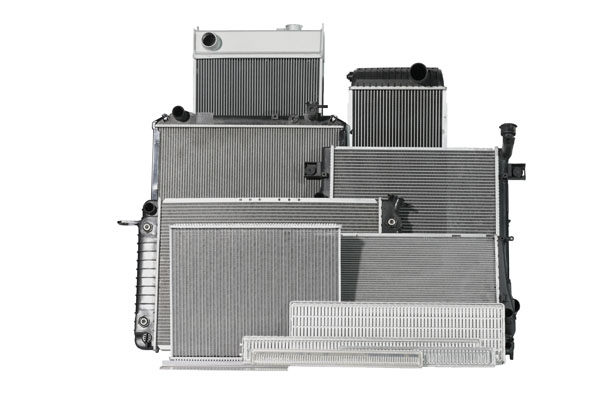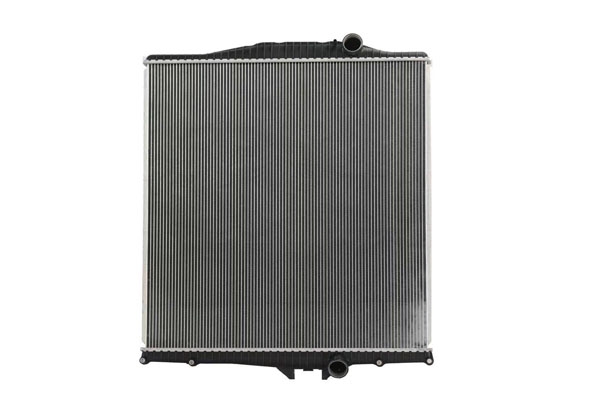
Your car breaks down. Parts fail. OEM or aftermarket? Which is better?
OEM parts are produced by the original vehicle manufacturer or their authorized suppliers according to original specifications. They are designed specifically for your vehicle model and provide the same quality as parts that came with your car when new.
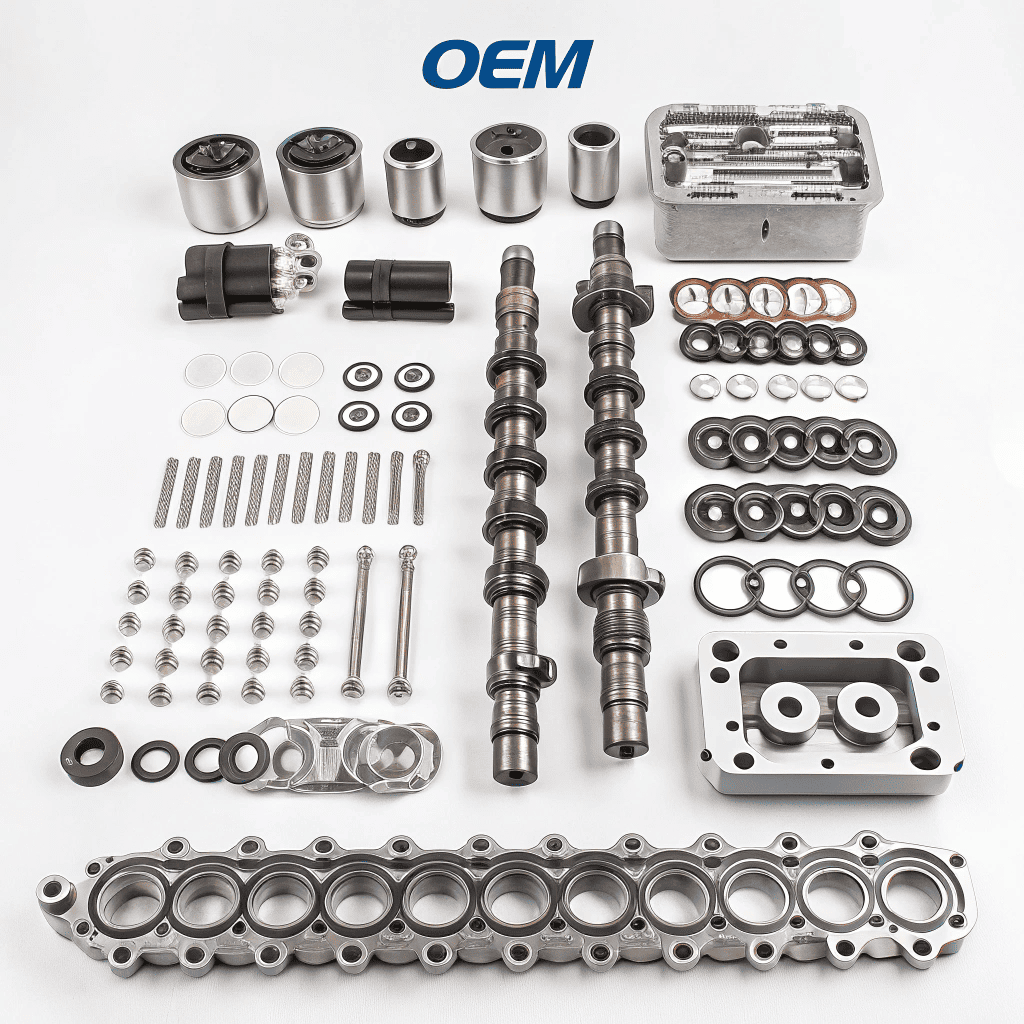
I've helped many customers confused about OEM parts. They see the term everywhere. They don't know what it means. Understanding OEM parts helps you make informed decisions. This saves you money. It also protects your vehicle.
Where Do OEM Parts Come From?
Manufacturers need parts. They don't make everything. How does this work?
OEM parts come from specialized suppliers who manufacture components according to the vehicle manufacturer's exact specifications. These suppliers work directly with car manufacturers and often produce parts for both assembly lines and aftermarket supply.
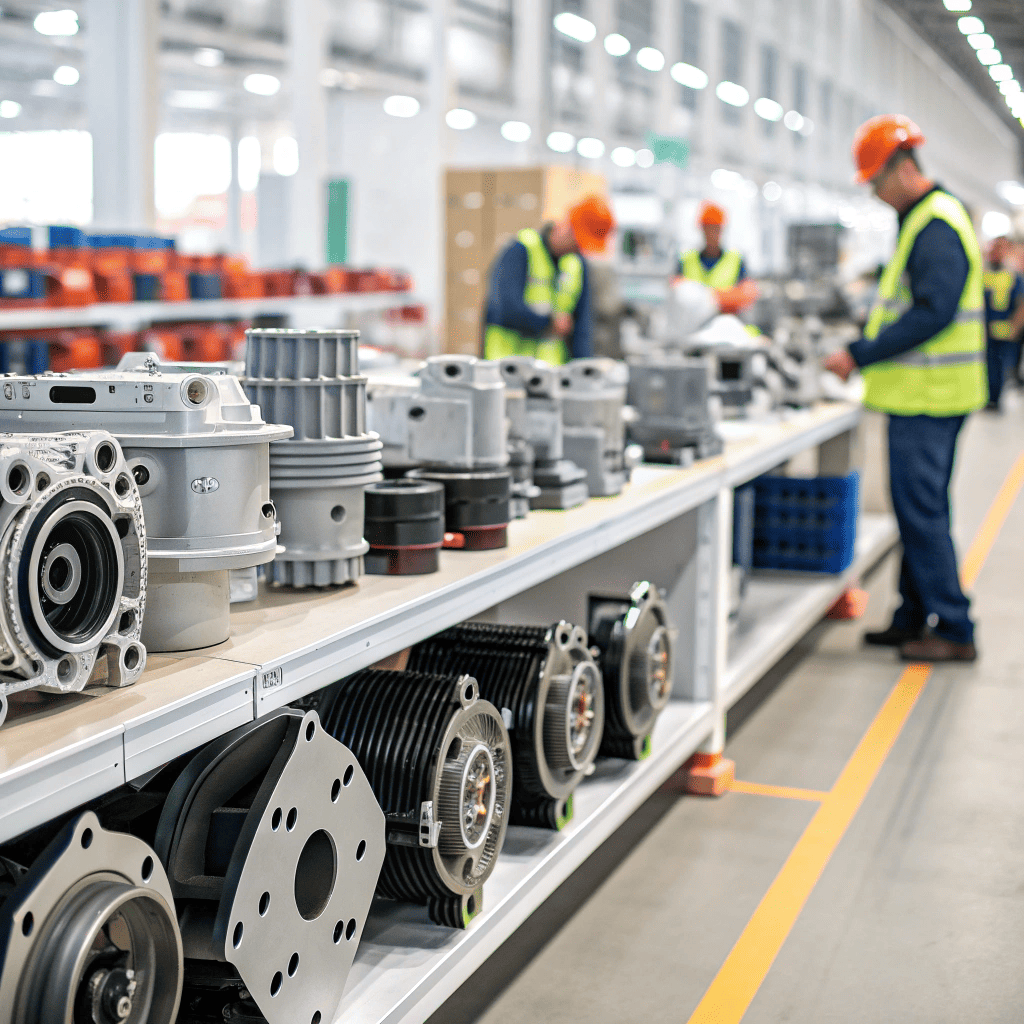
Car companies don't make every part themselves. They rely on a network of suppliers. These suppliers specialize in specific components. They follow strict guidelines. I've visited several OEM facilities. The quality control is impressive.
Suppliers sign contracts with car manufacturers. These contracts specify materials, dimensions, and performance requirements. Suppliers must meet these exact specifications. I once saw a supplier rejected for having a bracket that was 0.2mm too thick. Precision matters in OEM manufacturing.
These suppliers often make parts for multiple car brands. They might make brakes for Toyota and Ford. The parts look similar. But they have different part numbers. This ensures fitment and performance for each specific vehicle. I've seen suppliers with hundreds of part variations for what seems like a simple component.
Here's a table showing how OEM suppliers work with car manufacturers:
| Supplier Role | Relationship with Car Maker | Quality Control | Distribution Channels |
|---|---|---|---|
| Tier 1 Direct | Work exclusively with one brand | Strict oversight, regular audits | Assembly line and authorized dealers |
| Tier 2 | Support multiple brands | Good standards but less oversight | Assembly line and aftermarket |
| Specialized | Provide unique components | Very high standards for specific functions | Niche applications, specialized dealers |
I remember working with a customer who wanted to understand why OEM parts cost more. I explained the relationship between suppliers and manufacturers. The costs come from development, tooling, and quality assurance. This gave him a better appreciation for the value.
Some OEM suppliers also sell directly to consumers. They often have different branding. The part might have the supplier's name instead of the car brand. But it meets the same specifications. I've helped customers find these direct-from-supplier options to save money.
How Do OEM Parts Differ From Aftermarket Parts?
Parts choices confuse people. OEM vs aftermarket. What's the real difference?
OEM parts match original specifications exactly and carry the vehicle manufacturer's branding. Aftermarket parts may vary in quality and design, often costing less but sometimes offering performance improvements. OEM parts ensure perfect fitment and warranty compatibility.
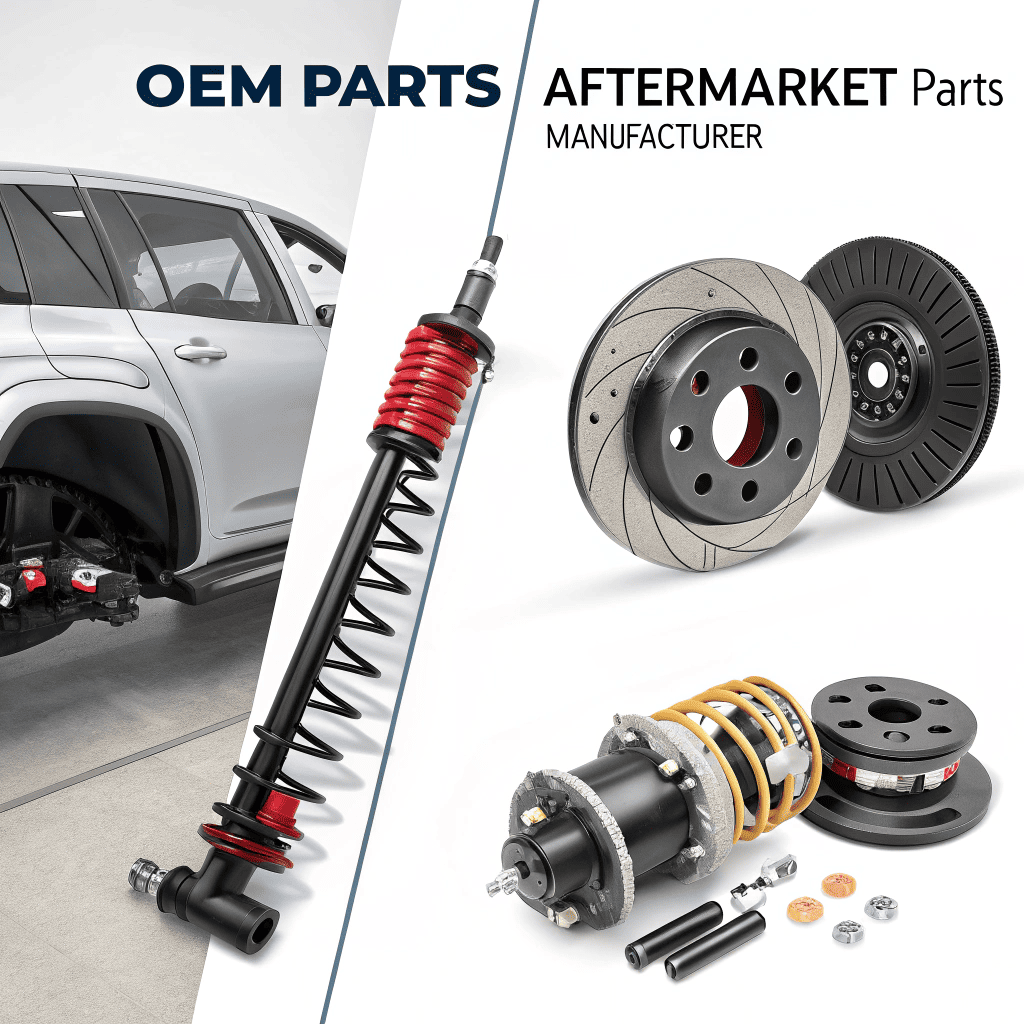
I get asked this question all the time. Customers want to know the difference. They see price differences. They wonder if aftermarket parts work just as well. Let me break down the key differences for you.
OEM parts come from the original supplier or the car manufacturer themselves. They use the same materials, dimensions, and manufacturing processes as the parts that came with your vehicle. I've compared OEM and aftermarket parts side by side. The differences in quality can be noticeable.
Aftermarket parts come from third-party manufacturers. They design parts to fit your vehicle. But they might use different materials or processes. Some aftermarket parts are excellent. Others are poor quality. I've seen aftermarket brake pads that wore out in half the time of OEM ones.
Warranty coverage differs too. OEM parts typically come with the manufacturer's warranty. Aftermarket warranties vary by brand. I've helped customers deal with warranty issues from aftermarket parts. The process can be frustrating.
Here's a table comparing OEM and aftermarket parts:
| Factor | OEM Parts | Aftermarket Parts |
|---|---|---|
| Quality | Consistent with original | Varies by brand and price point |
| Cost | Higher | Generally lower |
| Availability | Through dealers and suppliers | Wide distribution, including online |
| Fitment | Perfect match | Usually good but may require adjustment |
| Warranty | Manufacturer-backed | Varies by manufacturer |
| Performance | Matches original | May improve, match, or decrease performance |
I remember a customer who chose cheap aftermarket brake parts. They saved money upfront. But the parts failed prematurely. This cost more in repairs and safety concerns. Sometimes paying for OEM parts provides better value in the long run.
Not all aftermarket parts are bad. Many companies produce high-quality alternatives. Some even offer performance improvements over OEM. I've seen aftermarket suspension parts that improved handling better than the original equipment. The key is choosing reputable brands.
Car manufacturers often test and approve certain aftermarket parts. These parts might carry the "OEM equivalent" label. They meet the same standards but cost less. I've helped customers find these approved alternatives as a middle ground.
Why Choose OEM Parts For Your Vehicle?
You have options. Parts matter. Why should you pick OEM?
OEM parts guarantee proper fitment, match original performance characteristics, maintain vehicle warranty, and ensure compatibility with other systems. They're ideal for preserving resale value and avoiding compatibility issues with other components.
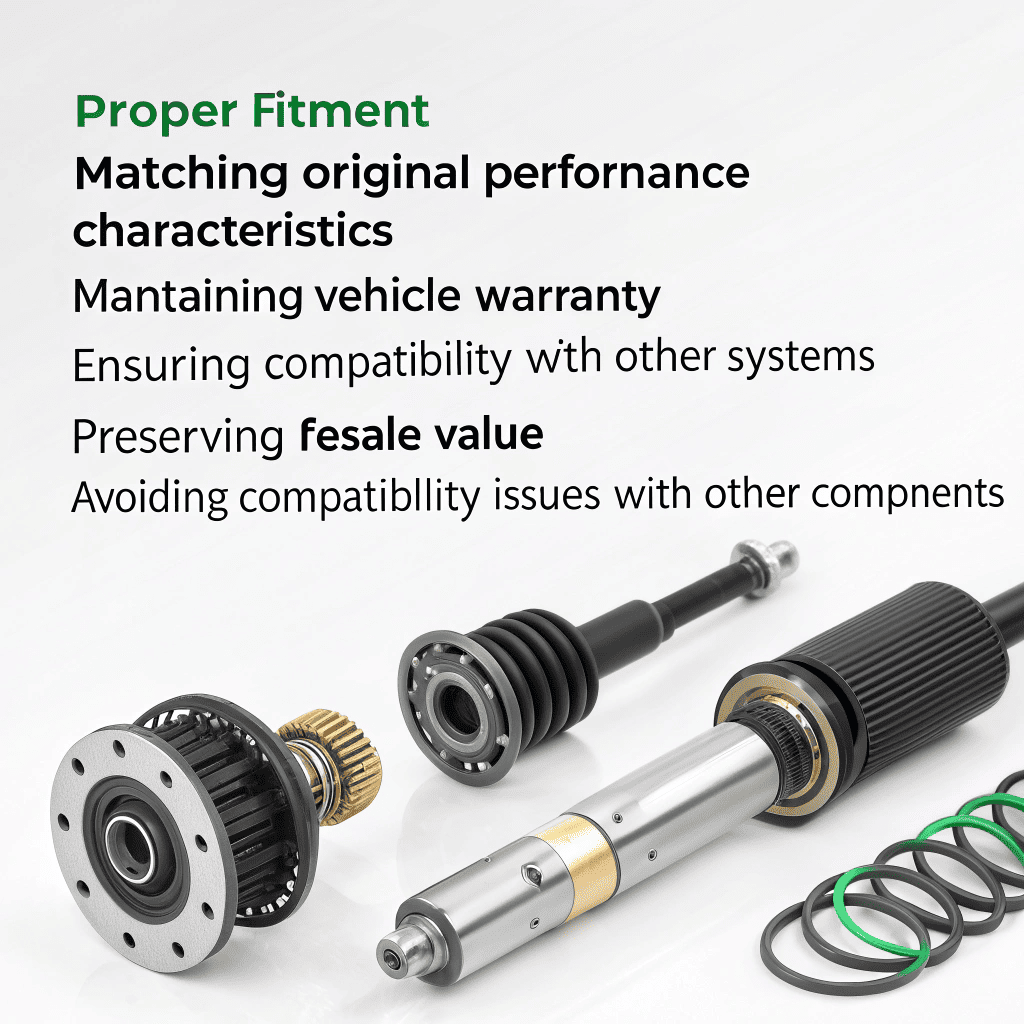
I've worked with many car owners over the years. Some prefer OEM parts. Others choose aftermarket. Let me share why OEM parts make sense for certain situations.
First, OEM parts ensure perfect fitment. They match the exact dimensions and specifications of your vehicle's original components. I've installed aftermarket parts that required modifications. This wastes time and creates potential weak points. OEM parts fit right the first time.
Performance characteristics match the original design. Engineers spend thousands of hours developing each component. Aftermarket parts might change how your vehicle performs. I remember a customer who installed an aftermarket exhaust. The sound changed. The fuel efficiency decreased. The OEM part would have maintained the original performance.
Warranty considerations matter too. Using OEM parts keeps your vehicle warranty intact. Aftermarket parts might void certain warranty coverage. I've helped customers deal with warranty denied because they used non-OEM parts. This can lead to unexpected costs.
Here's a table showing when OEM parts make the most sense:
| Situation | OEM Recommendation | Reason |
|---|---|---|
| Warranty period | Definitely | Keeps warranty valid |
| Critical safety components | Definitely | Ensures original safety standards |
| Complex systems (ECU, transmission) | Definitely | Maintains system compatibility |
| Older vehicles | Sometimes | Harder to find, may need to adapt |
| Performance modifications | Rarely | Aftermarket may offer improvements |
| Budget constraints | Rarely | Aftermarket can save significant money |
I remember a customer with a luxury vehicle. The car was still under warranty. They needed a replacement sensor. We installed the OEM part. The warranty remained valid. This peace of mind was worth the extra cost.
Resale value also benefits from OEM parts. When selling your car, buyers prefer vehicles with original parts. Aftermarket modifications can lower perceived value. I've helped many sellers get better prices by maintaining OEM components throughout their ownership.
Some vehicles have proprietary systems or designs. Aftermarket parts might not work correctly. I've seen cases where aftermarket parts caused warning lights or system malfunctions. OEM parts avoid these compatibility issues.
Are OEM Parts Always The Best Choice?
You want the best for your car. But OEM isn't always right. When should you look elsewhere?
OEM parts aren't always the best choice. Aftermarket options may offer better performance, lower costs, or improved features. For modified or high-performance applications, carefully selected aftermarket parts often provide better value and results.
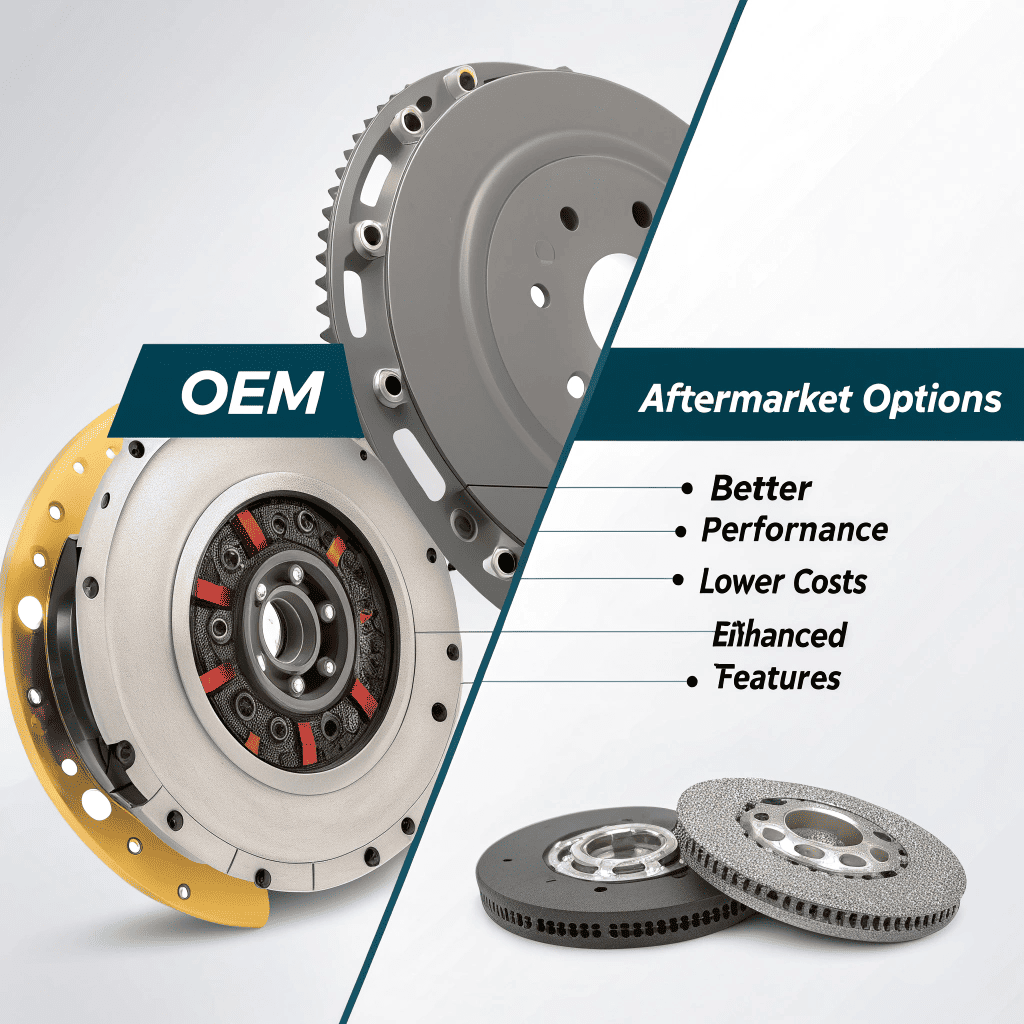
I've helped many car owners make decisions about parts. Some situations call for aftermarket options. Let me share when you might want to look beyond OEM parts.
Cost is a big factor. OEM parts often cost more. Sometimes significantly more. Aftermarket alternatives can save money without sacrificing quality. I remember a customer who needed a replacement bumper. The OEM part cost twice as much as a quality aftermarket option. The aftermarket part looked and functioned just as well.
Performance applications often benefit from aftermarket parts. Many companies specialize in high-performance components. These parts may offer improvements over OEM. I've worked with race teams that use only aftermarket parts for better performance gains. The OEM parts weren't designed for extreme conditions.
Technology moves faster than vehicle production cycles. Aftermarket companies might use newer materials or designs. This can result in better parts than the original equipment. I've seen cooling systems made with advanced materials that outperform OEM versions.
Here's a table showing when aftermarket parts might be better:
| Situation | Aftermarket Advantage | Example |
|---|---|---|
| Budget constraints | Lower cost | Basic replacement parts like filters or lights |
| Performance needs | Improved performance | Exhaust systems, suspension components |
| Older vehicles | Better availability | Parts for discontinued models |
| Custom builds | Specialized designs | Unique applications or modifications |
| Technology upgrades | Newer materials or designs | Electronics or battery systems |
I remember a customer with an older classic car. The OEM parts were no longer available. We found excellent aftermarket reproductions. These parts actually improved on the original design. This extended the car's life in a way OEM parts couldn't have.
Some aftermarket companies focus on specific improvements. They might solve design flaws present in OEM parts. I've seen aftermarket cooling solutions that fix overheating issues in certain vehicles. The OEM version had a known design weakness.
Availability matters too. Some OEM parts have long lead times. Aftermarket alternatives might be available immediately. I've helped customers get their cars back on the road faster by choosing available aftermarket parts instead of waiting for OEM components.
Conclusion
OEM parts match original specs perfectly. Aftermarket offers alternatives. Choose based on needs, budget, and vehicle requirements.