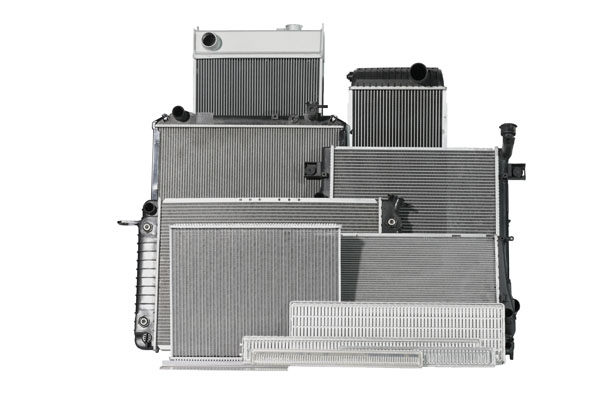
Your engine overheats. You have no coolant. Can water save the day?
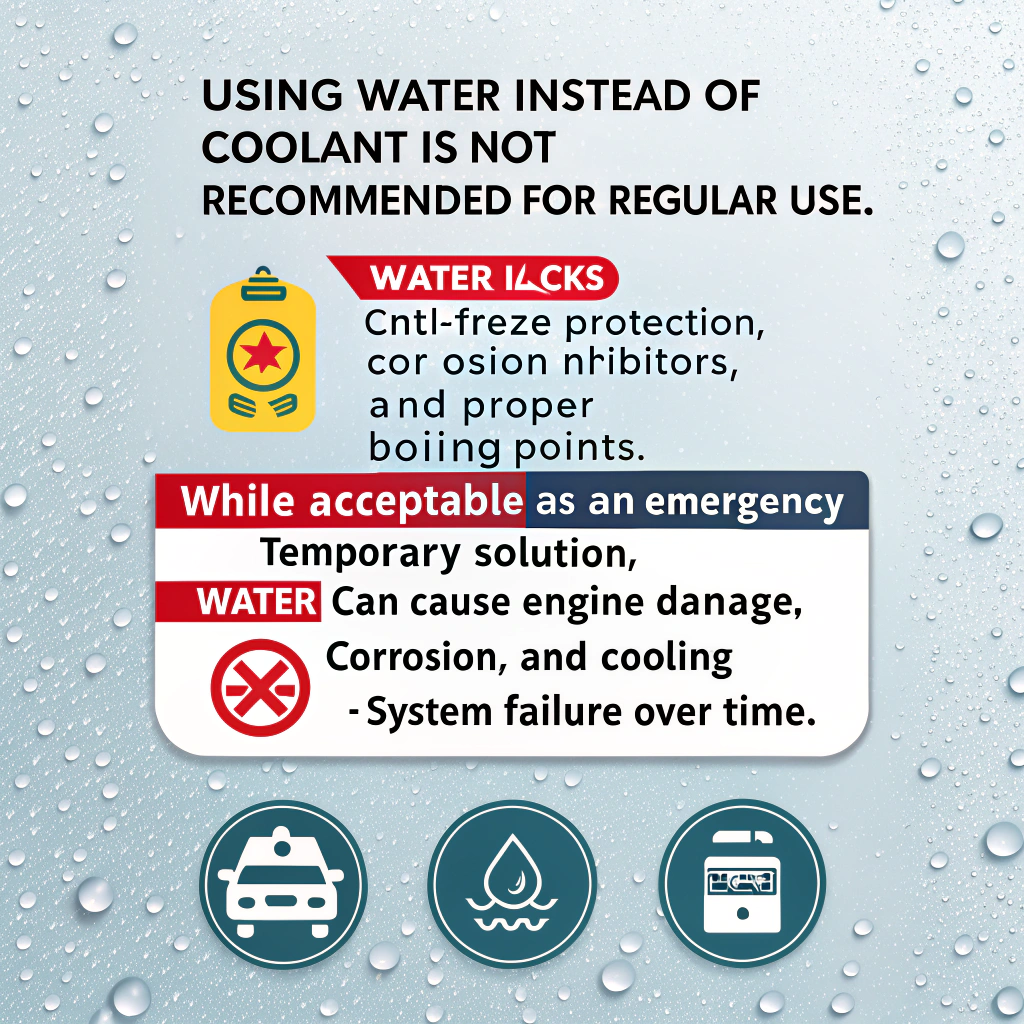
Using water instead of coolant is not recommended for regular use. Water lacks anti-freeze protection, corrosion inhibitors, and proper boiling points. While acceptable as emergency temporary solution, water can cause engine damage, corrosion, and cooling system failure over time.
I've seen many drivers face this dilemma. Your car overheats on a remote road. The nearest auto parts store is miles away. You spot a gas station with water available. The question becomes urgent: will water work? The short answer is yes for emergencies, but no for regular use. Let me explain why this distinction matters.
What Happens When Water Replaces Coolant?
Water seems like a simple solution. Your engine needs liquid. Why won't water work?
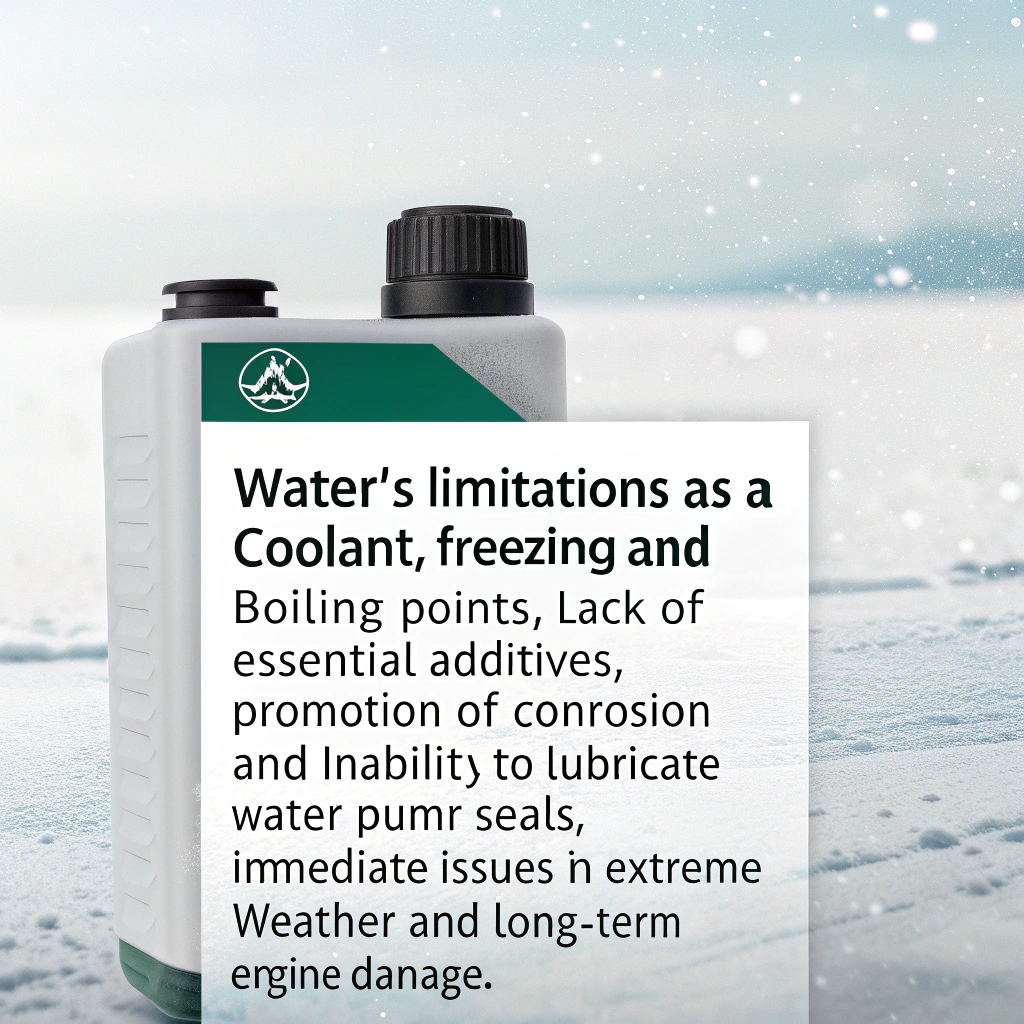
Water lacks essential additives found in coolant. It freezes at 32°F and boils at 212°F. Water also promotes corrosion and doesn't lubricate water pump seals. These limitations can cause immediate problems in extreme weather and long-term engine damage.
Water creates several immediate problems in your cooling system. The most obvious issue is temperature range. Water freezes at 32°F. This means your engine block can crack in winter conditions. I once helped a customer whose engine block cracked because he used only water during a cold snap. The repair cost exceeded the car's value.
Water also boils at 212°F at sea level. Modern engines often run hotter than this temperature. When water boils, it creates steam pockets. These pockets prevent proper heat transfer. Your engine can overheat even with a full cooling system. I remember a racing team that learned this lesson the hard way. Their engine overheated during a race because plain water couldn't handle the operating temperature.
Corrosion represents another major concern. Water contains minerals and oxygen. These elements cause rust and corrosion inside your cooling system. Cast iron components rust quickly. Aluminum parts develop white corrosion. I've seen radiators completely clogged with rust after just months of water use.
Water pump problems also develop. Coolant lubricates the water pump seal. Water doesn't provide this lubrication. The seal dries out and fails. This causes coolant leaks and pump failure. I've replaced many water pumps damaged by water use.
Here's a table showing the differences between water and proper coolant:
| Property | Water | Proper Coolant | Impact on Engine |
|---|---|---|---|
| Freezing Point | 32°F (0°C) | -34°F (-37°C) typical | Engine block cracking in cold weather |
| Boiling Point | 212°F (100°C) | 265°F (129°C) typical | Overheating and steam pockets |
| Corrosion Protection | None | Anti-corrosion additives | Rust and system degradation |
| Lubrication | None | Water pump seal lubrication | Premature pump failure |
The temperature protection alone makes proper coolant essential. I've seen engines destroyed by both freezing and overheating when owners used only water. The cost of proper coolant is minimal compared to engine replacement.
Why Does Coolant Have Special Properties?
Coolant looks like colored water. What makes it different? Why can't water do the same job?
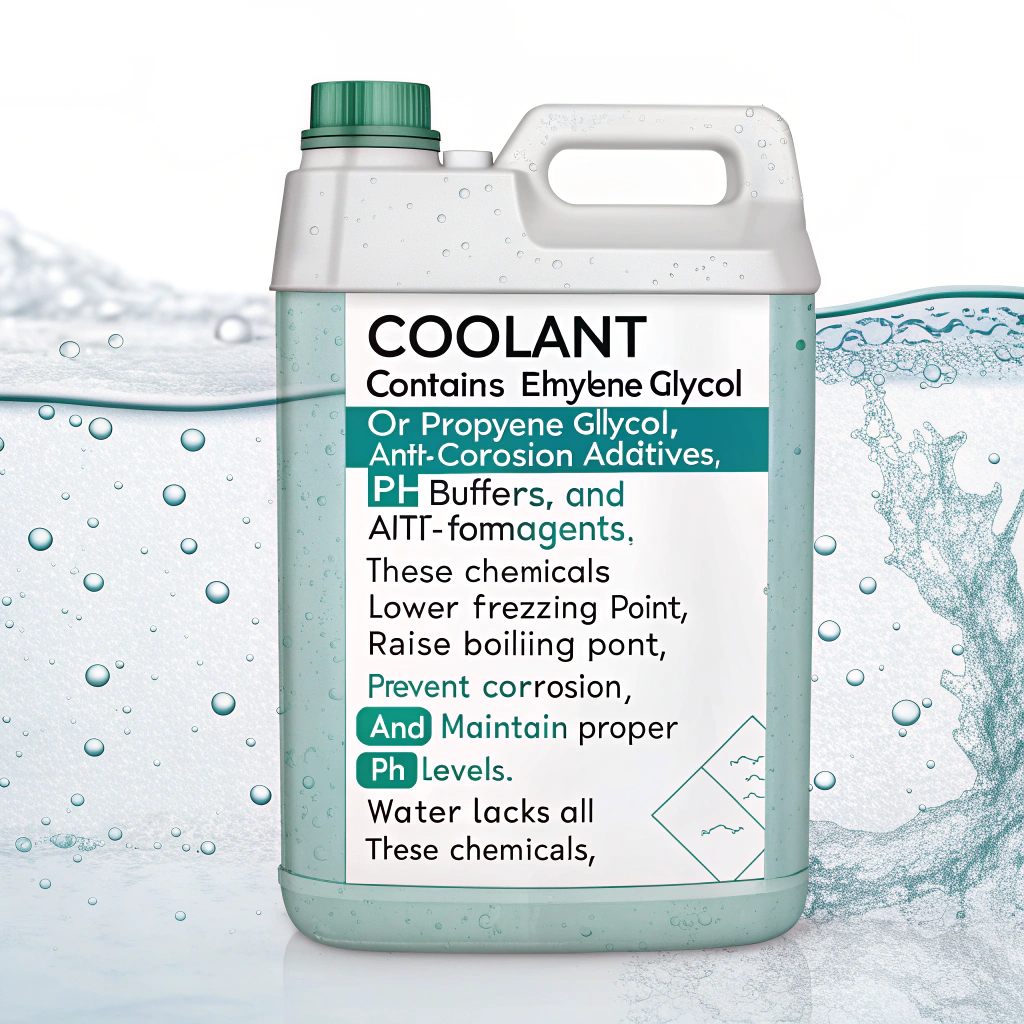
Coolant contains ethylene glycol or propylene glycol, anti-corrosion additives, pH buffers, and anti-foam agents. These chemicals lower freezing point, raise boiling point, prevent corrosion, and maintain proper pH levels. Water lacks all these protective properties.
Coolant is a carefully engineered fluid. The base ingredient is usually ethylene glycol or propylene glycol. These chemicals dramatically change the fluid's properties. Ethylene glycol lowers the freezing point and raises the boiling point. A 50/50 mixture with water creates the optimal balance.
Anti-corrosion additives protect metal components. These additives coat internal surfaces with a protective layer. This layer prevents oxygen and minerals from attacking the metal. Different metals require different protection. Modern coolants use organic acid technology to protect aluminum, steel, and cast iron simultaneously.
pH buffers maintain proper acidity levels. Cooling systems work best with neutral pH. Acidic conditions accelerate corrosion. Alkaline conditions cause deposits and scaling. Coolant maintains the correct pH throughout its service life. I've tested cooling systems with water that became highly acidic within months.
Anti-foam agents prevent air bubbles. Foam reduces heat transfer efficiency. It also causes cavitation in the water pump. Cavitation damages pump impellers and reduces flow. Proper coolant eliminates these problems.
Here's a breakdown of coolant additives and their functions:
| Additive Type | Function | Benefit | Water Alternative |
|---|---|---|---|
| Glycol Base | Temperature protection | Prevents freezing/boiling | None available |
| Corrosion Inhibitors | Metal protection | Prevents rust and corrosion | None available |
| pH Buffers | Acidity control | Maintains neutral pH | None available |
| Anti-foam Agents | Bubble prevention | Improves heat transfer | None available |
| Dye | Visual identification | Easy leak detection | Food coloring (minimal benefit) |
The engineering behind coolant protects your investment. I've helped customers understand that coolant isn't just colored water. It's a sophisticated fluid designed for harsh operating conditions. Using water removes all these protections.
What Are the Long-term Effects of Using Water?
Short-term use might seem harmless. But what happens over time? How does water damage accumulate?
Long-term water use causes progressive cooling system deterioration. Corrosion clogs passages, reduces heat transfer, and weakens components. Scale buildup restricts flow. Water pump seals fail. Eventually, the entire cooling system requires replacement rather than simple maintenance.
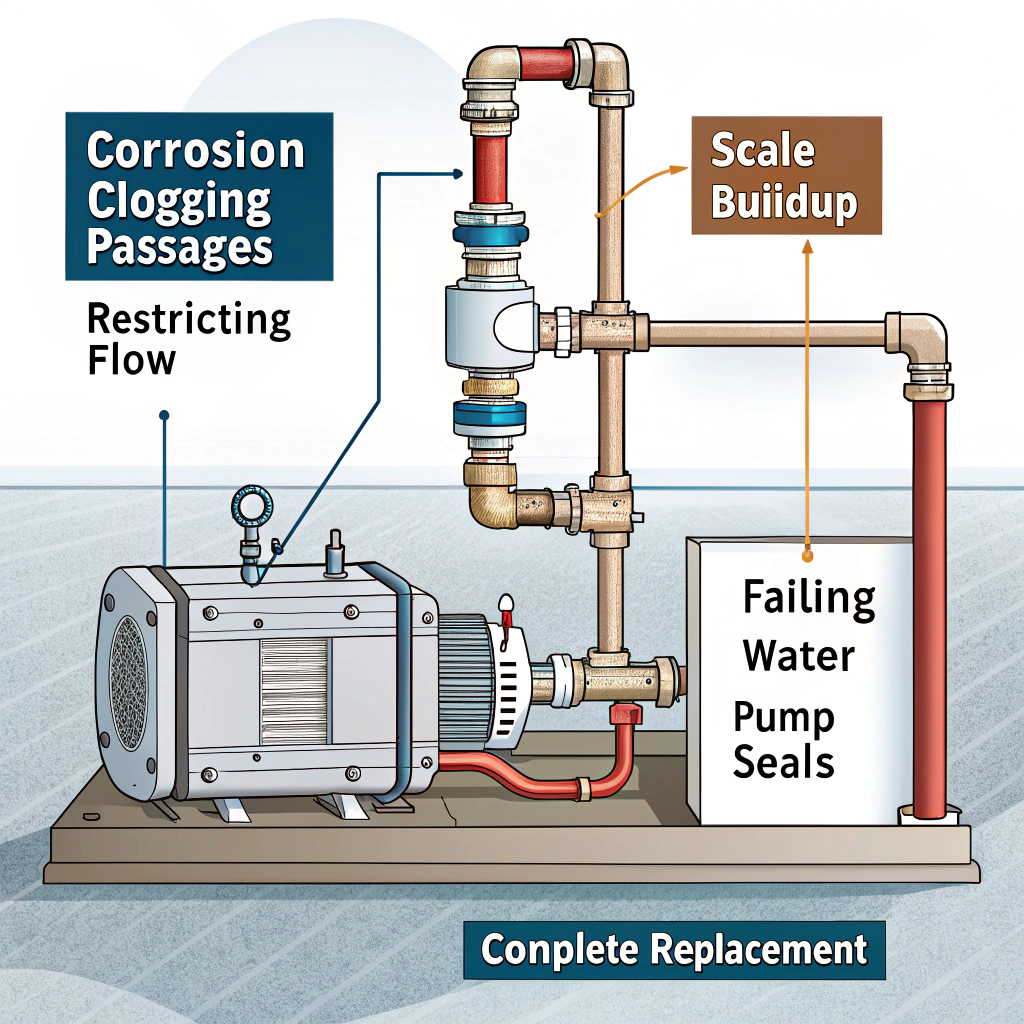
Time amplifies water's damaging effects. Corrosion starts immediately but accelerates over months. I've documented the progression in several customer vehicles. The first month shows minimal visible damage. By three months, rust particles appear in the coolant. By six months, significant corrosion affects system performance.
Radiator cores suffer extensive damage. The thin aluminum fins corrode and flake away. This reduces cooling capacity. Passages become restricted with rust and scale. Flow rates drop significantly. I've measured flow reductions of 30-40% in severely corroded systems.
Heater cores fail frequently with water use. These small heat exchangers have narrow passages. Corrosion clogs these passages quickly. Heat output drops dramatically. Complete blockage is common. Heater core replacement requires dashboard removal in many vehicles.
Thermostat housings develop leaks. Corrosion weakens the metal housing. Gasket surfaces become pitted. Achieving a proper seal becomes impossible. I've seen thermostats replaced multiple times because the housing keeps leaking.
Engine block damage accumulates slowly. Water jackets develop restriction from scale buildup. Hot spots develop where cooling is inadequate. These hot spots can cause head gasket failure. In severe cases, cylinder head warping occurs.
Here's a timeline of water damage progression:
| Time Period | Visible Damage | Performance Impact | Repair Implications |
|---|---|---|---|
| 1 Month | Slight discoloration | Minimal impact | Flush and refill with proper coolant |
| 3 Months | Rust particles, pH change | Reduced efficiency | System flush, component inspection |
| 6 Months | Visible corrosion, deposits | Noticeable temperature increase | Multiple component replacement |
| 12+ Months | Severe corrosion, blockages | Overheating, poor heat | Complete system overhaul required |
I've helped customers who used water for extended periods. The repair costs always exceeded the cost of proper coolant maintenance by substantial amounts. Prevention through proper coolant use costs far less than correction after damage occurs.
When Is Water Acceptable as a Temporary Solution?
Emergencies happen. Sometimes water is the only option. When is it safe? What precautions should you take?
Water is acceptable only for emergency situations to prevent immediate engine damage from overheating. Use distilled water if possible. Keep usage under 24-48 hours maximum. Replace with proper coolant immediately. Monitor temperature closely and avoid extreme weather conditions.
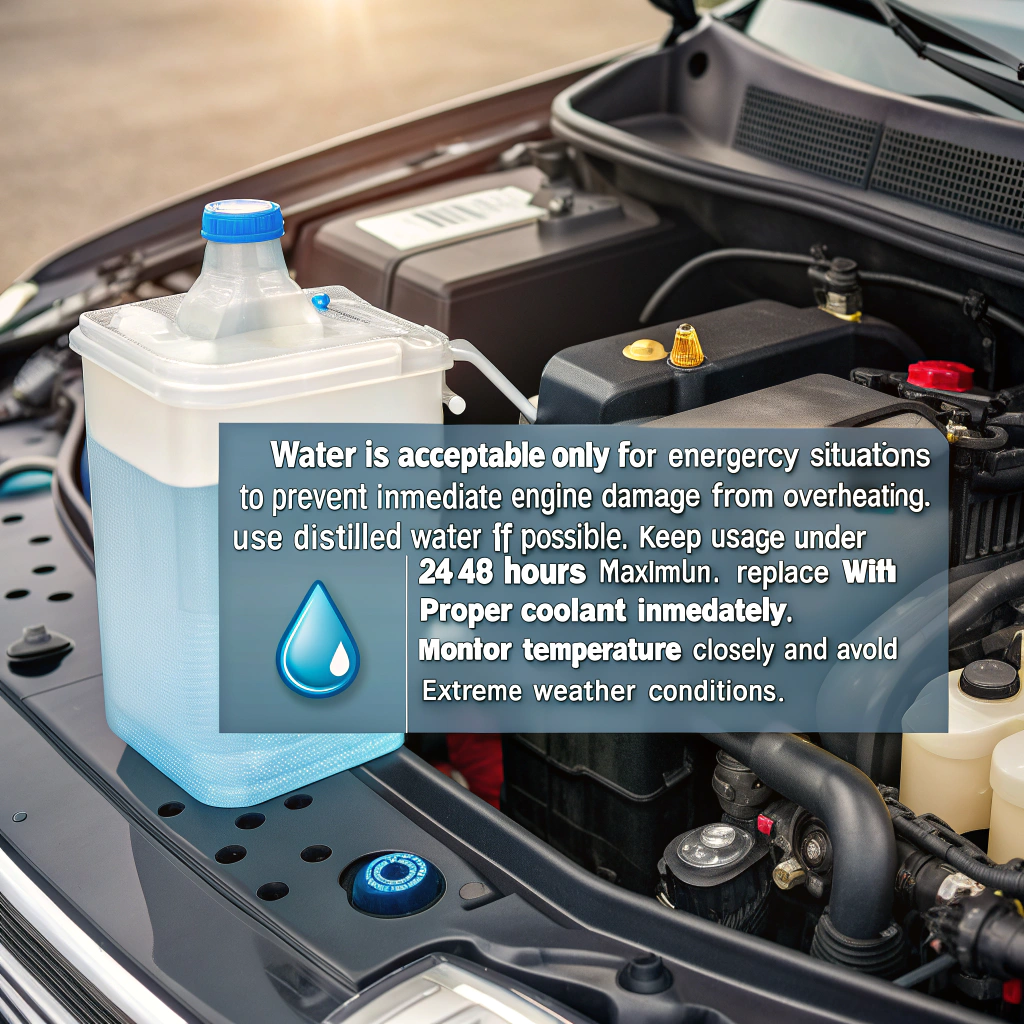
Emergency situations require practical decisions. Your engine is overheating on a highway. The choice becomes water versus engine destruction from overheating. In this scenario, water becomes the lesser evil. But specific guidelines make emergency water use safer.
Use distilled water when possible. Tap water contains minerals that accelerate corrosion. Distilled water removes most harmful minerals. Many gas stations sell distilled water for car batteries. This same water works for emergency cooling system use. I always recommend carrying a gallon of distilled water for emergencies.
Time limits are crucial. Water should remain in your system for the shortest time possible. Drive directly to get proper coolant. Don't use water for days or weeks. The longer water stays in the system, the more damage accumulates. I've seen engines damaged by emergency water that stayed in the system too long.
Temperature monitoring becomes critical with water. Watch your temperature gauge constantly. Water's lower boiling point means overheating happens faster. Pull over immediately if temperature rises. Let the engine cool before continuing. I remember helping a driver who ignored rising temperatures with water. His engine seized from overheating.
Weather conditions affect water use safety. Avoid water in freezing conditions if possible. Even a few hours below freezing can crack components. Summer heat also creates problems. High ambient temperatures push water beyond its boiling point quickly.
Here's an emergency water use safety guide:
| Situation | Safety Level | Precautions | Maximum Duration |
|---|---|---|---|
| Summer overheating | Relatively safe | Monitor temperature closely | 2-4 hours driving |
| Mild weather | Moderately safe | Use distilled water | 12-24 hours maximum |
| Near freezing | High risk | Avoid if possible, keep moving | Under 2 hours |
| Below freezing | Extremely dangerous | Emergency only, immediate replacement | Minutes only |
Emergency water use saved many engines I've worked on. But the key is treating it as a true emergency measure. Get proper coolant as soon as possible. Flush the system if water remained for more than a day. I've helped many customers avoid major damage by following these emergency protocols.
Conclusion
Water lacks coolant's protective properties. Emergency use is acceptable but requires immediate replacement with proper coolant for engine protection.