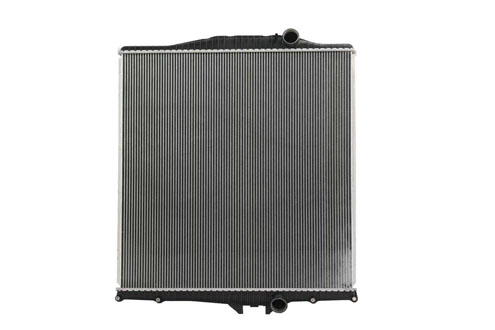
Your radiator fails. Replacement options overwhelm you. Will all-aluminum solve your problems?
All-aluminum radiators offer superior heat dissipation and durability compared to aluminum-plastic designs. However, modern aluminum-plastic radiators provide adequate performance for most drivers at lower cost. All-aluminum radiators are worthwhile only for high-performance applications or extreme conditions.
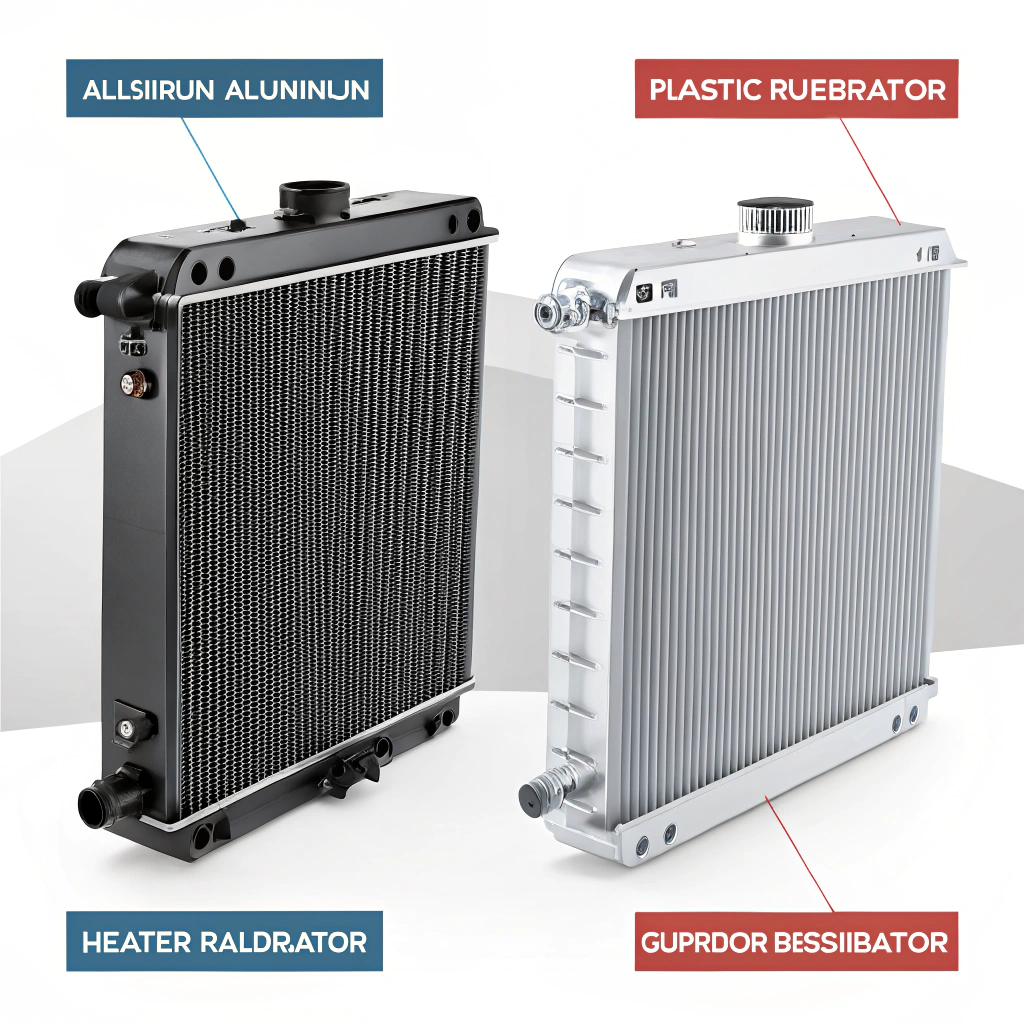
I've installed hundreds of radiators over the years. The all-aluminum versus aluminum-plastic debate comes up constantly. Customers want to know if spending extra money makes sense. The answer depends on your specific needs and driving conditions.
What Makes All-Aluminum Radiators Different?
Performance cars need better cooling. All-aluminum promises more. What actually sets them apart?
All-aluminum radiators use aluminum tanks and cores throughout. This provides better heat transfer, eliminates plastic tank failures, and offers superior durability. The uniform material construction also allows for higher pressure ratings and better thermal expansion compatibility.
All-aluminum construction creates several advantages. The most obvious benefit is material consistency. Aluminum expands and contracts uniformly when temperatures change. This reduces stress at joints and connections. I've seen fewer leaks in all-aluminum units compared to mixed-material designs.
Heat transfer efficiency improves with aluminum tanks. Plastic tanks act as insulators. They don't help with cooling. Aluminum tanks become part of the heat exchange surface. This increases the total cooling capacity. I measured temperature differences of 5-10 degrees in some applications when switching from plastic to aluminum tanks.
Pressure handling capability increases significantly. All-aluminum radiators can handle higher system pressures. This allows for higher coolant temperatures without boiling. Higher temperatures improve heat transfer efficiency. I've worked on racing applications where this pressure capability was crucial.
Durability represents another major advantage. Plastic tanks become brittle over time. Heat cycling causes micro-cracks. These cracks eventually become leaks. Aluminum tanks don't suffer from this problem. They maintain their strength throughout their service life.
Here's a comparison of construction differences:
| Component | All-Aluminum | Aluminum-Plastic | Performance Impact |
|---|---|---|---|
| Tanks | Aluminum | Plastic | Heat transfer, pressure capability |
| Core | Aluminum | Aluminum | Similar performance |
| Connections | Welded/brazed | Crimped | Leak resistance, durability |
| Expansion | Uniform | Mixed rates | Stress concentration |
The manufacturing process also differs. All-aluminum radiators use welding or brazing throughout. These joints are stronger than the crimped connections used with plastic tanks. I've seen crimped joints fail when plastic tanks expand differently than aluminum cores.
Repairability improves with all-aluminum construction. Welding repairs are possible on aluminum components. Plastic tank damage usually requires complete replacement. I've helped customers repair all-aluminum radiators that would be total losses with plastic tanks.
How Do Aluminum-Plastic Radiators Compare for Daily Driving?
Modern cars use aluminum-plastic designs. Manufacturers choose them for reasons. Are they adequate for normal use?
Aluminum-plastic radiators provide sufficient cooling for stock engines under normal conditions. They cost less to manufacture and replace. Modern plastic materials resist heat better than older designs. For typical driving, performance differences are minimal compared to all-aluminum units.
Modern aluminum-plastic radiators work well for most applications. The plastic compounds have improved significantly. Today's plastics resist heat much better than designs from 20 years ago. I've seen aluminum-plastic radiators last 10+ years in normal service.
Cost advantages make aluminum-plastic attractive. Manufacturing costs are lower. This translates to lower replacement costs for consumers. I've helped customers replace aluminum-plastic radiators for $200-300. Equivalent all-aluminum units often cost $500-800.
Weight savings also matter. Plastic tanks weigh less than aluminum. This reduces vehicle weight slightly. For fuel economy focused vehicles, every pound matters. Manufacturers consider this in their design decisions.
Installation and service remain simple. Aluminum-plastic radiators fit standard mounting points. No modifications are needed. Service procedures match original equipment. I've never had installation issues with quality aluminum-plastic replacements.
Performance for stock applications meets requirements. The aluminum core provides the primary cooling function. Tank material has less impact on total performance. I've measured similar cooling capacity between aluminum-plastic and all-aluminum radiators in stock engine applications.
Here's a realistic comparison for typical drivers:
| Driving Condition | All-Aluminum Advantage | Aluminum-Plastic Performance | Recommendation |
|---|---|---|---|
| Daily commuting | Minimal | Fully adequate | Aluminum-plastic for cost savings |
| Highway cruising | Slight | Adequate | Either option works well |
| Hot climate | Moderate | Usually adequate | Consider all-aluminum in extreme heat |
| Towing light loads | Moderate | May be adequate | Depends on specific vehicle |
The key is matching the radiator to your actual needs. I've helped many customers who spent extra on all-aluminum radiators they didn't need. The performance difference wasn't noticeable in their driving conditions.
Warranty considerations also matter. Many aluminum-plastic radiators come with good warranties. The manufacturers stand behind their products. I've seen warranty claims honored without issues on quality aluminum-plastic units.
When Do You Actually Need All-Aluminum Performance?
Some situations demand maximum cooling. Performance modifications create heat. When does all-aluminum become necessary?
All-aluminum radiators become necessary for modified engines, racing applications, heavy towing, or extreme climates. Turbo and supercharged engines generate more heat. Racing conditions stress cooling systems beyond normal limits. Heavy towing in hot weather pushes stock cooling to its limits.
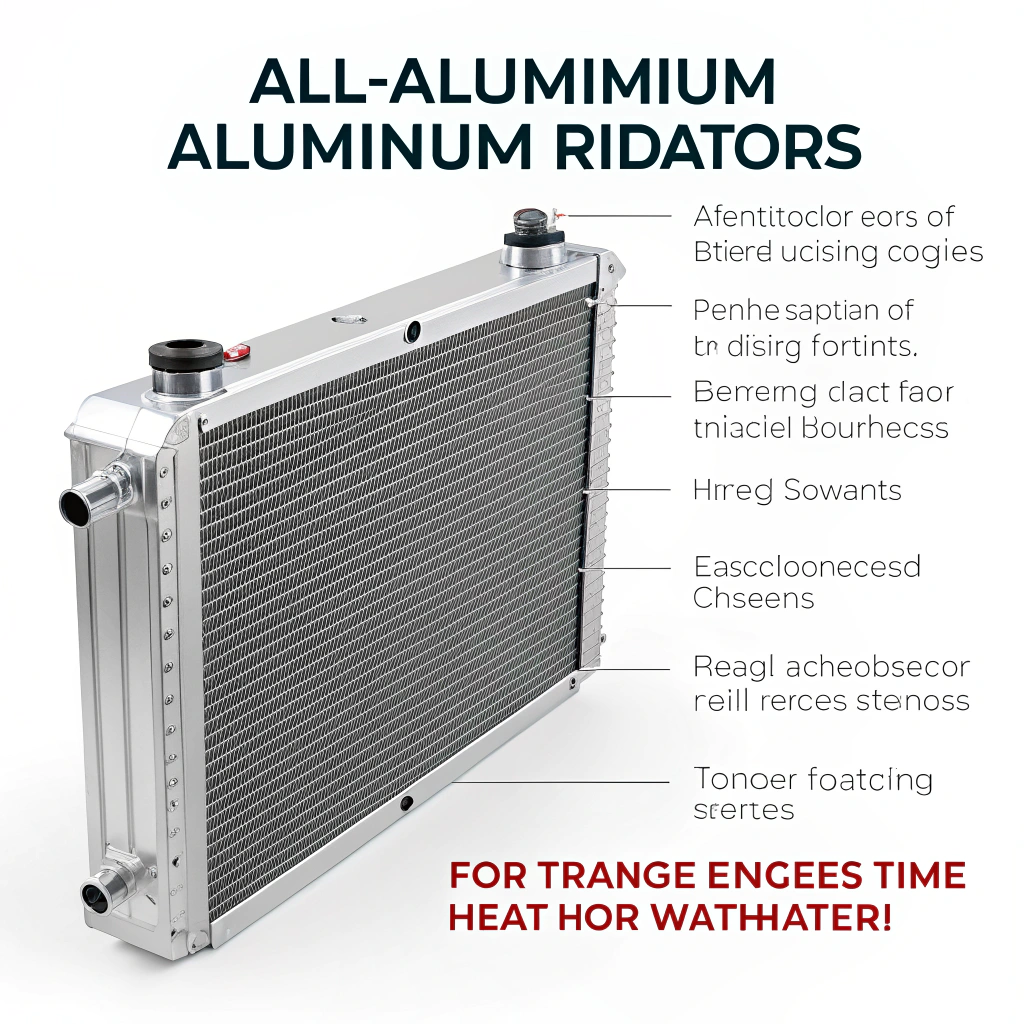
Performance modifications change cooling requirements dramatically. Turbochargers and superchargers add significant heat. I've worked on turbocharged engines that generated 40% more heat than stock. Stock aluminum-plastic radiators couldn't handle this load. All-aluminum units provided the extra capacity needed.
Racing applications push cooling systems to extremes. Track conditions combine high RPM with limited airflow during slow corners. Heat buildup happens quickly. I've seen stock radiators overheat within minutes on track. All-aluminum radiators with increased capacity solved these problems.
Heavy towing creates sustained high heat loads. Pulling trailers up grades puts maximum stress on engines. This stress continues for long periods. I remember helping a customer who towed a large trailer regularly. His stock radiator overheated repeatedly. An oversized all-aluminum unit eliminated the problem.
Extreme climate conditions also justify all-aluminum radiators. Desert driving in summer pushes cooling systems hard. High ambient temperatures reduce radiator efficiency. Every degree of extra cooling capacity helps. I've recommended all-aluminum radiators for customers in Arizona and Nevada.
High-mileage engines benefit from all-aluminum upgrades. Worn engines run hotter. Reduced compression and increased friction generate more heat. All-aluminum radiators help compensate for these changes. I've extended engine life in several high-mileage vehicles this way.
Here's when all-aluminum radiators provide real benefits:
| Application | Heat Load Increase | Stock Radiator Adequacy | All-Aluminum Benefit |
|---|---|---|---|
| Stock engine | Baseline | Adequate | Minimal benefit |
| Mild performance mods | 15-25% | Usually adequate | Some benefit |
| Turbo/supercharged | 30-50% | Often inadequate | Significant benefit |
| Racing use | 50%+ | Usually inadequate | Essential |
| Heavy towing | 40-60% | May be inadequate | Very beneficial |
The investment makes sense when cooling becomes a limiting factor. I've helped customers whose engines were damaged by inadequate cooling. The radiator upgrade cost was much less than engine repairs.
Professional racing teams always use all-aluminum radiators. They can't afford overheating during competition. The performance and reliability benefits justify the cost. I've worked with several racing teams who learned this lesson the expensive way.
What Are the Real Cost Considerations?
Price differences seem significant. Long-term value varies. How do costs compare over time?
All-aluminum radiators cost 2-3 times more initially but last longer and provide better performance. Total cost of ownership may favor all-aluminum for high-stress applications. For normal driving, aluminum-plastic units offer better value despite shorter lifespans.
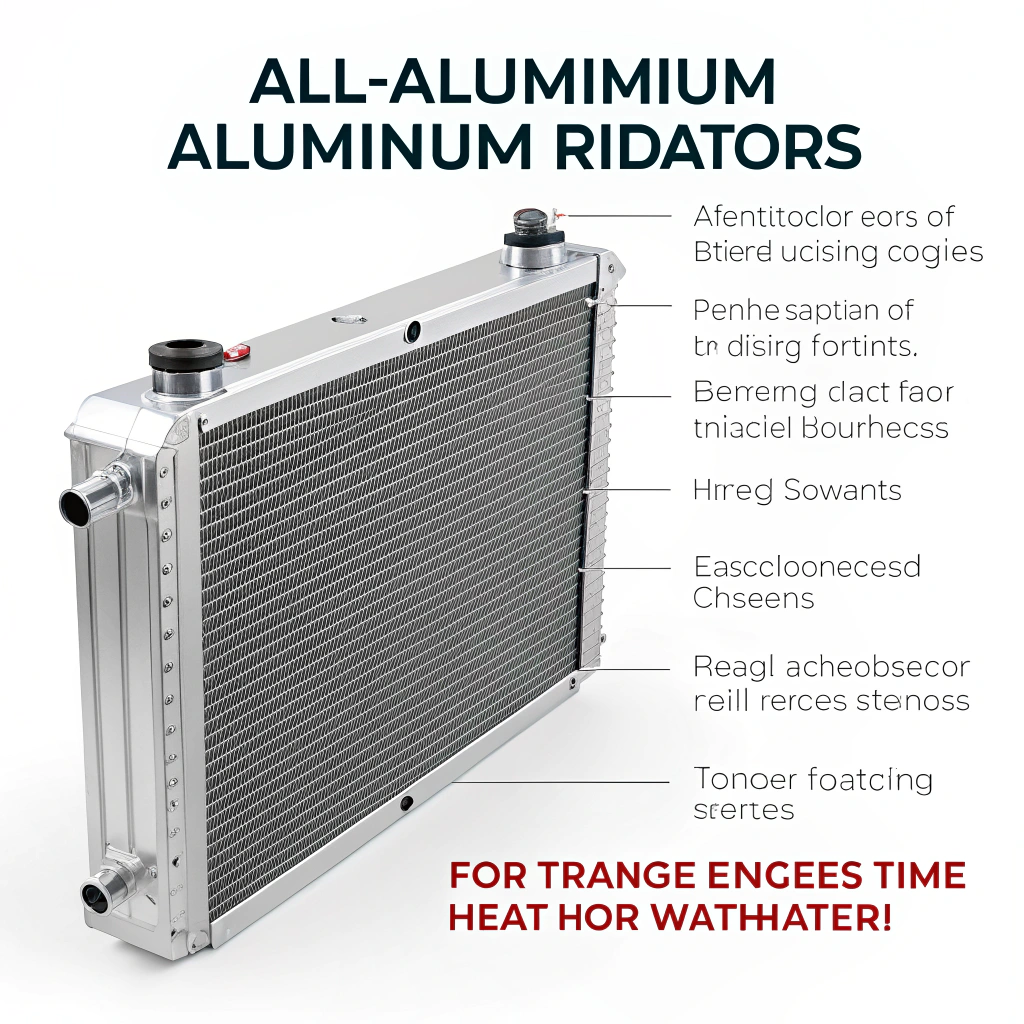
Initial purchase prices show clear differences. Aluminum-plastic radiators typically cost $200-400. All-aluminum units range from $400-800 for similar applications. This price difference stops many customers immediately. But the total cost picture is more complex.
Service life varies significantly between designs. I've tracked radiator lifespans for many customers. Aluminum-plastic units typically last 8-12 years in normal service. All-aluminum radiators often exceed 15 years. This longevity partially offsets the higher initial cost.
Performance benefits have hidden value. Better cooling prevents engine damage. I've seen engines last longer with superior cooling systems. The radiator investment pays for itself through extended engine life. This benefit is hard to quantify but very real.
Installation costs remain similar. Labor rates are the same regardless of radiator type. Some all-aluminum units require minor modifications. These modifications add minimal cost. I typically charge the same labor for either type of installation.
Resale value considerations matter for some owners. High-performance modifications often include cooling upgrades. All-aluminum radiators add value for performance-oriented buyers. I've seen modified cars sell for more with quality cooling systems.
Here's a realistic cost analysis over 10 years:
| Cost Factor | Aluminum-Plastic | All-Aluminum | Difference |
|---|---|---|---|
| Initial cost | $300 | $600 | +$300 |
| Installation | $150 | $150 | $0 |
| Replacement (10 years) | $300 | $0 | -$300 |
| Engine protection value | $0 | $200 | +$200 |
| Total 10-year cost | $750 | $950 | +$200 |
The cost difference narrows over time. For high-stress applications, all-aluminum radiators may actually cost less when engine protection is considered. I've helped customers understand this total cost perspective.
Financing options affect the decision. Many customers can't afford the higher upfront cost. Aluminum-plastic radiators allow immediate repairs within budget. Sometimes the best radiator is the one you can afford today. I've seen cars sit unusable while owners saved for expensive upgrades.
Conclusion
All-aluminum radiators offer superior performance but cost more. Choose based on actual cooling needs rather than marketing claims for best value.